

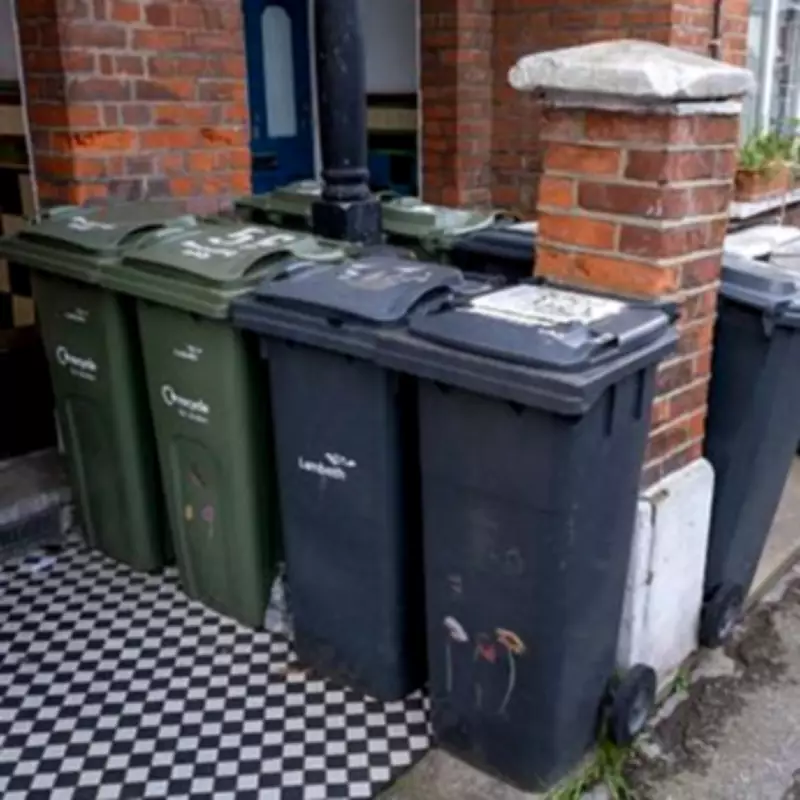
Nine common and popular kitchen items are now banned from recycling bins following a rule change in England. The Simpler Recycling scheme, introduced by the Labour Party government, has come into effect across the country.
What Is the Simpler Recycling Scheme?
A spokesperson for the initiative previously stated: "Citizens will be able to recycle the same materials across England, whether at home, work or school, and will no longer need to check what is accepted for recycling in their local area. A universal standard will ensure that everything that can be collected for household recycling is collected in every region."
The scheme also aims to end the "postcode lottery" of bin collections in England, where different councils collect different materials, causing confusion for households.

Legal Expert Explains the Changes
Legal expert Gary Rycroft broke down the changes during an appearance on BBC Morning Live earlier this year. "The government has imposed new rules in England to say that people should have four different types of waste," he explained. "So moving forward, you're going to have to separate your waste into things that can't be recycled, then we've got food waste, and then we've got paper and card, and then we've got other dry recycling – glass, plastic and tin."
Nine Banned Kitchen Items
Under the new rules, the following items must not be placed in recycling bins:
- Drinking glasses – Glass not used as packaging, such as drinking glasses, is not collected.
- Glass cookware – Items like Pyrex dishes are banned.
- Microwave plates – These should be taken to local recycling centres or household tips.
- Ceramics – Old, chipped mugs and plates can no longer go in recycling bins.
- Laminated foil – Items like pet food pouches and coffee pouches are not accepted.
- General kitchenware – Cutlery, pots, and pans should be kept out of recycling bins. Ideal Home suggests selling silver or branded items.
- Coffee pods – Plastic packaging or non-packaging items labelled as "compostable" or "biodegradable" are not collected.
- Fibre-based packaging – Food and drinks cartons made of fibre-based composite should go in the plastic stream.
- Food waste – Plastic packaging or non-packaging items labelled as "compostable" or "biodegradable", including coffee pods, are not collected. However, caddy liners used for food waste can be collected.
Penalties for Non-Compliance
Households that fail to follow bin rules risk penalties from their local authority, with fines potentially reaching up to £400 in some cases. Waste collection authorities must collect recyclable household waste streams for recycling or composting, or arrange for a private waste collector to do so.
Government's Aim
The government hopes the changes will make recycling simpler and more consistent nationwide, as England's recycling rate has stalled at around 44% in recent years. The Simpler Recycling scheme, outlined by the Department for Environment, Food and Rural Affairs, standardises recycling collections nationwide.
Local authorities should provide clear information to households about what can and cannot be recycled in each waste stream, to reduce confusion. The requirements apply to all households, including flats and communal properties. For some flats and communal properties, it may be more suitable to use communal, on-site bins.

