

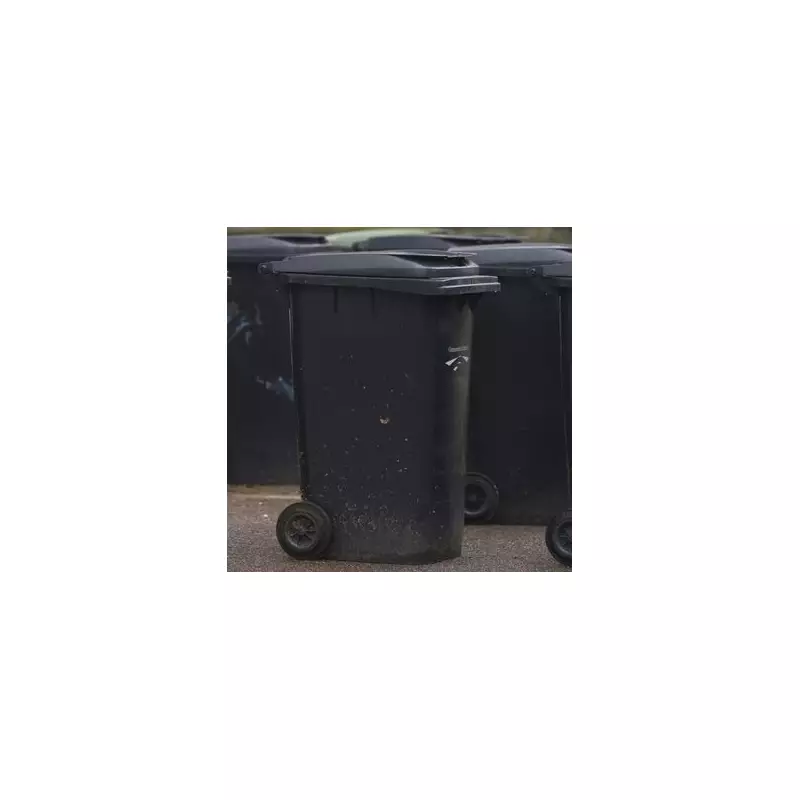
Millions of households across the UK are set for a significant overhaul of their rubbish and recycling routines, with new national rules coming into effect in 2026. The changes will see most homes move to a system requiring four separate containers for different types of waste, with the aim of boosting recycling rates and improving efficiency.
The New Four-Container System Explained
The core of the new approach is a move towards more precise sorting at the kerbside. Under the forthcoming regulations, most households will need to use four distinct receptacles. Local councils will have some flexibility, but these will typically comprise a mix of wheelie bins, stackable boxes, or bags.
A key and mandatory part of the shake-up is the separate collection of food waste. Residents will be required to place all organic, kitchen scraps into a dedicated food waste bin or caddy. This initiative is designed to improve hygiene by ensuring "smelly" waste is handled separately and can be processed more effectively, for instance through composting or anaerobic digestion.

Stricter Rules for Dry Recycling
Recycling is also getting more specific. Dry recyclable materials must be sorted into two clear streams to prevent cross-contamination. One container will be exclusively for paper and card, including items like newspapers, magazines, and food cartons.
A second, separate container will be used for all other dry recyclables. This includes plastic bottles and packaging, metal tins and cans, and glass bottles and jars. Keeping these materials apart from paper products is crucial for maintaining the quality of recycled materials.
Finally, a residual waste bin will remain for general household rubbish that cannot be recycled. This ensures non-recyclable items are kept entirely separate from the new recycling and food waste streams.
What This Means for Your Household
While the four-container framework is the new national standard, local authorities will determine the exact types of containers used and finalise collection schedules. Residents should await formal announcements from their own councils regarding specific start dates and revised pick-up times.
It is vital for households to adjust their routines to sort rubbish correctly under these new environmental guidelines. Authorities have warned that incorrect use of bins could lead to fines, emphasising the importance of compliance.
This nationwide shift represents one of the most substantial changes to domestic waste collection in years. It is a direct move to meet environmental targets, reduce landfill use, and create a more circular economy by improving the quality and quantity of materials recycled across the UK.

