

Every household across England is set to experience significant changes to their waste and recycling collection services within weeks, as new national rules become the default standard. The Simpler Recycling initiative, introduced under the current Labour Party government, will standardise bin collections across the country from March 31, 2026, aiming to eliminate confusion and create a more uniform system.
What the New Default System Entails
The government has outlined that the new default requirement for most households and workplaces will involve four separate containers for different waste streams. This represents a fundamental shift from the current patchwork of local council systems.
The Four Container System
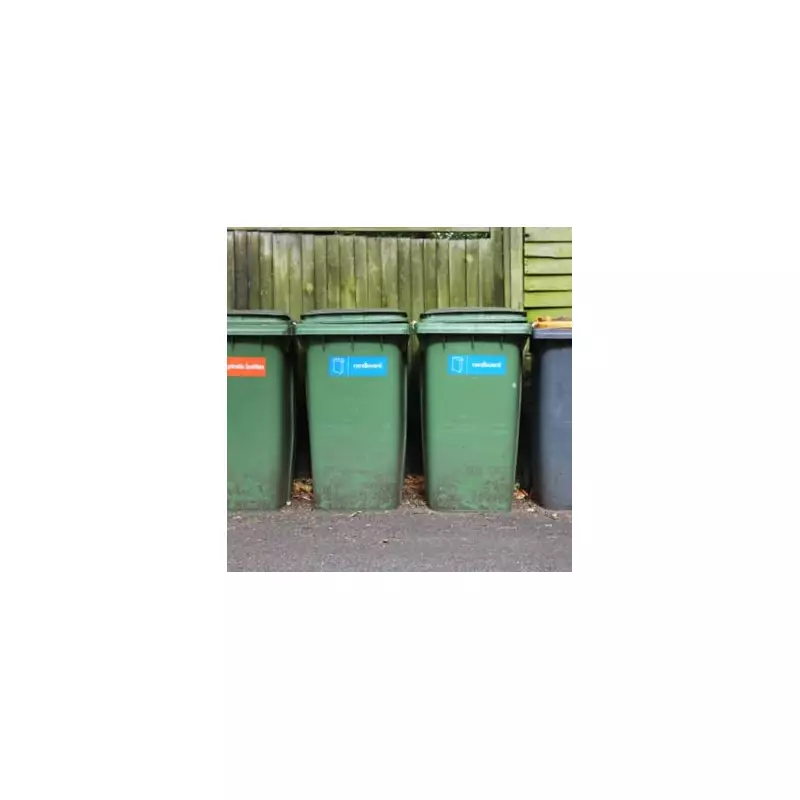
According to official guidance, households will need to separate their waste into:

- Residual waste for non-recyclable materials
- Food waste, which may be mixed with garden waste where appropriate
- Paper and card in a dedicated container
- All other dry recyclable materials including plastic, metal and glass
The government has clarified that these containers may take various forms, including traditional bins, bags, or stackable boxes, depending on local arrangements. Importantly, officials have stated that this four-container system represents the maximum default requirement and is not expected to increase in complexity in future years.
Ending the Postcode Lottery
A primary objective of the Simpler Recycling programme is to eliminate what has become known as the 'postcode lottery' of bin collections across England. Currently, different local authorities collect varying materials for recycling, creating confusion for households who move between areas or simply try to understand what can be recycled in their locality.
From March 31, residents will no longer need to check their specific council's recycling requirements, as the same core materials will be collected nationwide. This standardisation is expected to make recycling clearer and more straightforward for everyone, potentially increasing recycling rates across the country.
Business Implementation and Opportunities
While the domestic rollout begins in March, the rules are already in force for businesses. The government's legislation and policy framework indicates that companies have been adapting to these requirements ahead of the household implementation.
Industry experts suggest that the Simpler Recycling initiative, combined with Extended Producer Responsibility (EPR) regulations, presents significant opportunities for forward-thinking businesses. By streamlining waste systems, securing better recycling contracts, and redesigning packaging to meet recyclability targets, companies can potentially lower long-term disposal costs while avoiding non-compliance fees.
Environmental consultants note that early adoption of these standards can transform regulatory requirements into competitive advantages. Businesses that adapt quickly may strengthen customer loyalty among increasingly environmentally-conscious consumers and potentially turn waste management into a revenue stream through improved recycling processes.
Looking Forward
The implementation of Simpler Recycling represents one of the most significant changes to household waste management in England in recent years. As the March 31 deadline approaches, local authorities are expected to communicate specific details about how the changes will affect collections in their areas.
For households, the transition may require some adjustment to new sorting routines, but the government maintains that the long-term benefits of clearer, more consistent recycling systems will outweigh initial adaptation challenges. The initiative forms part of broader environmental and waste reduction strategies being pursued at national level.

