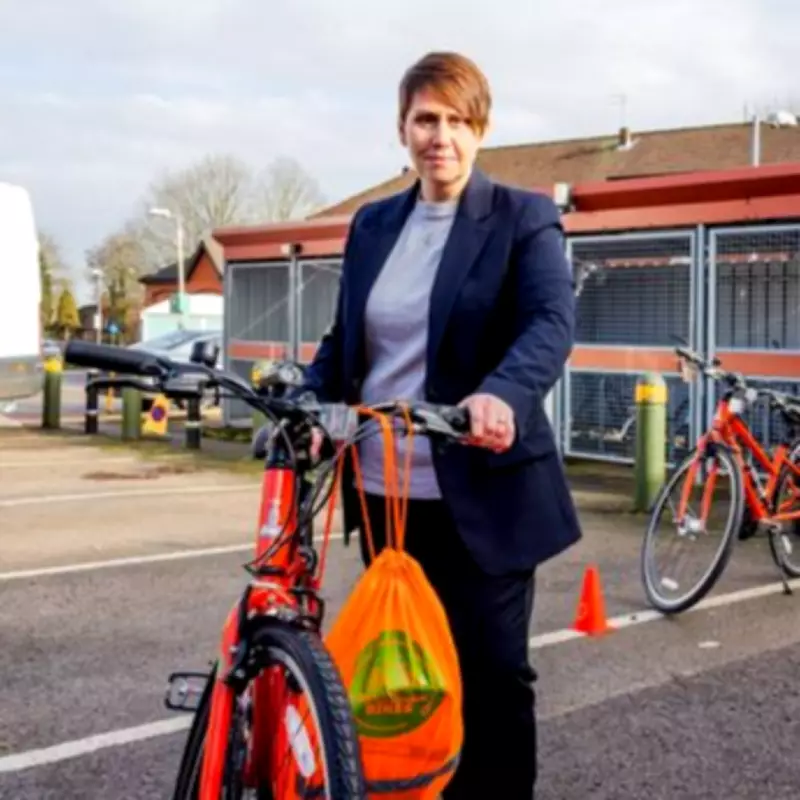
Active Travel Commissioner Champions Safer Choices Over 'War on Motorists'
Beccy Marston, the West Midlands' Active Travel Commissioner, has firmly rejected suggestions that her work represents a 'war on motorists', instead positioning it as an effort to provide residents with safer and more viable travel alternatives. Appointed by the West Midlands Combined Authority (WMCA) a year ago, Marston's role focuses specifically on removing the barriers that prevent people from choosing to cycle or walk for their journeys.
Substantial Funding for Infrastructure Development
The authority has been allocated a significant £36 million war chest, designated for investment over the next four years. This funding will be used to implement new schemes and create expanded, safer routes dedicated to walking, wheeling, and cycling across the region. In her inaugural year, Commissioner Marston has collaborated extensively with local councils, partners including Sport England, and various community campaign groups to assess local needs and help shape future strategic plans.
Working alongside Road Safety Commissioner Mat MacDonald, Marston has helped develop the innovative 'Kids Streets' initiative. This programme is designed to make the school run safer and more accessible for children who walk, directly addressing parental concerns about safety. Furthermore, Marston played a key advisory role in the recent appointment of micromobility operator Lime to manage the region's new e-bike and e-scooter contracts.

Building Confidence Through Education and Recognition
A core part of her strategy involves promoting Bikeability sessions within schools. These government-approved cycle training programmes aim to build confidence and competence among young riders from an early age. Marston's impactful work has not gone unnoticed; she recently earned global recognition by being named among the top 100 Mobility Changemakers by industry publication Zag Daily.
"There is still work to be done to ensure we have the right routes and paths to enable people to walk, wheel or cycle," Marston stated. "We have invested heavily in infrastructure. We have just received another £36 million that will be invested in the next 12 months." She confirmed that the WMCA is currently reviewing its Walking and Cycling Investment Plan, a major network strategy that guides local authority improvements to ensure the infrastructure is fit for purpose.
Shifting Perceptions and Highlighting Benefits
Marston argues that creating safer options for shorter, local trips is the crucial starting point for encouraging broader behavioural change. "If we can get the smaller, local trips safer, that's the starting point for people to think maybe I can do a larger trip," she explained. She also emphasised the importance of viable public transport, noting the popularity of free bus ticketing events which allow people to trial services without financial commitment.
Challenging the perceived cost of car ownership, she added, "People don't relay the full cost of a car. They don't equate that to the cost of a trip and if you break it down, it can be far cheaper to use public transport or to walk, wheel or cycle." Marston is keen to reframe the conversation around health and practical benefits rather than conflict. "Don't see it as an attack on motorists, see it as a way to improve your health, the air that you breathe," she urged.
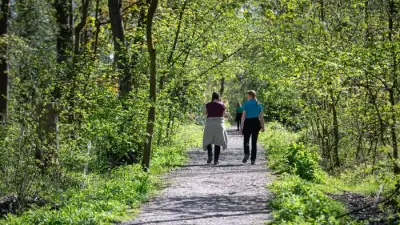
She highlighted the paradox of driving to a gym for exercise, suggesting that cycling to work integrates physical activity into the daily routine. "You've got an hour back – it's quicker, it's reliable and you do more stuff, see nature," Marston said, encouraging people to try active travel in the summer months. "It doesn't mean you have to get rid of your car, just think about a different way to travel and combine your exercise for the day. This isn't a war on motorists at all. This is about giving you safe, viable choice to travel in a different way."

Future Initiatives and Regional Connectivity
The authority anticipates that the new contract with Lime will significantly boost cycle and e-scooter usage in areas where they are deployed. Marston expressed confidence in the operator, citing their strong community credentials and plans to attract new riders. "eBikes are a game changer," she noted, "in terms of people saying 'I'm not fit enough, I've got health issues, problems with joints, I won't be able to do hills'. It removes an additional barrier."
Infrastructure improvements are currently underway in locations including Birmingham and Dudley. Other supportive initiatives include providing bikes to NHS workers and offering adult cycling training. Looking to the future, Marston envisions a connected network. "You will eventually be able to cycle all the way from Wolverhampton City Centre through Dudley, parts of Sandwell and into Birmingham," she revealed, acknowledging that development is piecemeal as funding allows.
The long-term goal remains a fully integrated cycle route through all West Midlands towns. A regional instructor recruitment campaign is also launching to expand the Bikeability workforce and reach more children. Marston pointed to a decline in cycling proficiency, lamenting, "The amount we are seeing who can't ride a bike now when historically, it was the number one Christmas present."
She directly linked this decline to safety concerns, stating, "Less and less people are going out on a bike, because they don't feel safe because of the traffic." Her solution is clear: "The more cycle paths we put in, we can say it is safe because you've got your own lane. It gives that confidence you can do it."