Penarth Headland Link: £30m Elevated Walkway Project Aims to Transform Cardiff Bay
Backers of an ambitious elevated walkway project linking Penarth seafront to Cardiff Bay are expressing renewed confidence that the long-awaited scheme will finally come to fruition. The Penarth Headland Link, originally conceived as part of the Cardiff Bay Barrage development, is now projected to cost around £30m, with trustees believing it could generate a substantial £300m economic and wellbeing return over a 30-year period.
A Vision Delayed but Not Forgotten
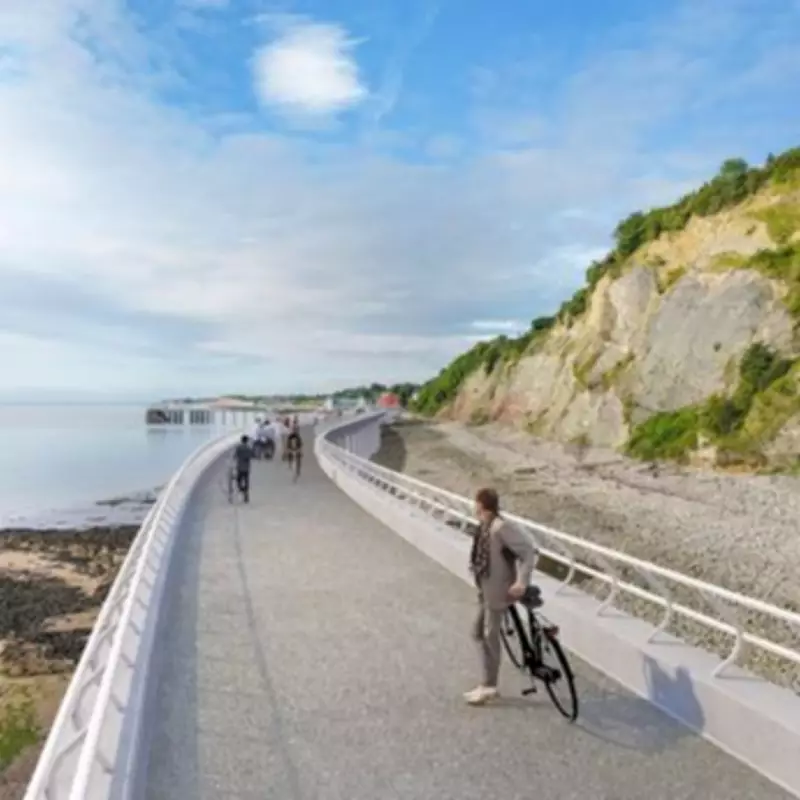
The 1.1km-long walkway, supported by an 11m-high viaduct structure, would stretch from Penarth's Esplanade around the headland to the Cardiff Bay Barrage, providing enhanced access to the wider bay area. Initially planned alongside the barrage project completed in 1999, which created a 500-acre freshwater lake and spurred commercial development, the walkway was never delivered by the now-defunct Cardiff Bay Development Corporation.
Following the corporation's winding up, £7.5m of public money was ring-fenced for Vale of Glamorgan Council to deliver the project. However, projected costs spiralled to well over £20m, and with the Welsh Government unwilling to meet the shortfall, the scheme was effectively shelved in 2005.

Renewed Momentum and Strategic Design
The charitable Penarth Headland Link Trust was established just over a decade ago with the specific aim of seeing the link realised through a new design. Prior to the Covid-19 pandemic, the project secured support and initial funding for feasibility studies from the Welsh Government, Cardiff Council, and Vale of Glamorgan Council, though not a full funding commitment for delivery.
Current trustees include several prominent figures:
- Former First Minister and Welsh Secretary Alun Michael
- Former head of Arup's Cardiff office John Lovell
- Entrepreneur Brendan Sadka
- Former Welsh Government special adviser Jeff Andrews
The elevated walkway has been specifically designed for use by both pedestrians and cyclists, operating 24 hours a day, seven days a week. Working in partnership with Cardiff Harbour Authority, which would serve as the delivery body, trustees are now focusing on securing the required marine licence—a process estimated to cost approximately £1m.
Addressing Safety and Environmental Concerns
The latest design incorporates several crucial safety and environmental considerations. To ensure protection from potential rockfalls, the structure would be positioned approximately 25m away from the cliff face. Furthermore, the impact of rising sea levels due to climate change has been carefully factored into the planning, with the trust confirming that the £30m cost assessment from 2023 remains valid.
John Lovell, who headed Arup's Cardiff office from 1990 to 2012 and was involved in the original barrage project, emphasised the design's resilience: "The proposed project would be positioned 25m away from the rock face. In the worst-case scenario, if you get rockfall and bounce, we are not affected. We've factored in 100 years of climate change."
Substantial Economic Benefits Projected
Trustees believe the project could generate an economic and wellbeing return of £300m over three decades, based on multiple factors including increased tourism, transport benefits, wellbeing improvements, catalytic effects on further commercial development, and enhanced property values. However, they acknowledge this projection requires further validation through an independent economic impact assessment.
Mr Lovell explained the detailed calculations behind this estimate: "We're focusing on the economic case over 30 years, using present-day values. This gets to 1,000%, with a £300m return over a 30-year period." He broke down the components:

- Transport benefits including fuel savings, reduced maintenance costs, time savings, and fewer traffic accidents could yield approximately £20m from the £30m investment.
- Tourism growth, assuming a 3% increase in visitors to the greater Cardiff Bay area, could contribute around £200m over 30 years.
- Property value enhancement and catalytic development effects, particularly around the outer harbour area, represent what Mr Lovell considers "the greatest gain."
Land Ownership and Funding Strategy
The land required for the proposed link falls into three distinct sections. One portion is owned by Vale of Glamorgan Council, while another was transferred from the Whannell family to Cardiff Harbour Authority after the family accepted a £10,000 contribution toward a donkey sanctuary in western England. The final section is owned by Plymouth Estates, which has agreed to transfer ownership for a nominal £1 to enable project delivery.
Trustees have clarified they are not seeking private funding, including securitised capital against potential tolls for pedestrians and cyclists. Instead, they will explore funding avenues through Welsh and UK Government sources, as well as potential regional funding streams.
Project Timeline and Broader Significance
If the marine licence is secured by the target date of 2028, the prefabricated design of the viaduct-supported walkway means construction could be completed within approximately nine months, potentially opening to the public in 2029. The marine licence process would be overseen by Natural Resources Wales, with the final decision effectively resting with Welsh Government ministers.
Former First Minister Alun Michael highlighted the project's broader significance: "The Penarth Headland Link is not just a little local project that it would be nice to have—it's potentially a massive symbol of what local regeneration can contribute to rebuilding confidence in the future and in the economy of Wales and the wider UK."
He further emphasised its potential to enhance the Wales Coast Path: "We have no doubt that the image of the Headland Link, once it is built, will be among the most iconic images that greet visitors as they arrive at Cardiff Airport or Cardiff Central Station. It will help the Wales Coast Path, which has the potential to become an iconic international 'must-do' destination."
Entrepreneur Brendan Sadka added perspective on deliverability: "In civil engineering terms, this is a highly visible and fantastic project, but in terms of complexity and time to delivery, it's at the more straightforward end of the scale. It's highly deliverable because a lot of work has already been done."
While acknowledging the challenging funding climate for publicly-funded projects, trustees maintain that the long-term positive impact of the scheme provides a compelling case for support. They believe the walkway could become both an iconic tourist attraction and a vital piece of infrastructure that fully realises the potential of the Cardiff Bay Barrage investment for local, regional, and national benefit.