London Councils Urged to Scrap Diesel Fleets Amid Air Pollution Crisis
Local authorities across London are facing mounting pressure to drastically reduce their reliance on diesel-powered vehicles and accelerate investment in environmentally friendly alternatives. This urgent call to action follows concerning new data that highlights the significant role council fleets play in exacerbating the capital's air quality challenges.
Shocking Statistics Reveal Diesel Dominance
According to comprehensive Freedom of Information requests conducted by Impact on Urban Health, more than two-thirds of London's councils confirmed that diesel vehicles constitute the majority of their operational fleets. The research, which gathered responses from all thirty-two London boroughs, indicates that approximately seventy-one percent of responding councils operate fleets where diesel remains the predominant fuel source.
The study estimates that around five thousand diesel vehicles are currently being operated by London councils on the city's roads. This substantial number represents a significant contribution to harmful emissions, directly contradicting the capital's publicly stated ambitions to reduce road-based pollution and protect public health.

Health Experts Issue Stern Warning
Ben Pearce, head of the health effects of air pollution programme at Impact on Urban Health, delivered a stark assessment of the situation. "London's councils are on the front line of delivering cleaner, healthier neighbourhoods, but too many are still operating fleets that add to the problem rather than help solve it," he stated.
Pearce acknowledged the considerable financial and logistical pressures facing local authorities but emphasised the severe health consequences of maintaining the status quo. "We recognise the financial and logistical pressures local authorities face, but the health consequences of inaction are stark. Public bodies should be leading this shift, not making matters worse," he added.
Electric Vehicle Adoption Remains Insufficient
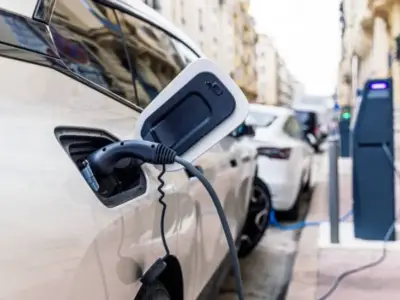
The research reveals that electric vehicles currently account for just twenty-one percent of council fleets, a figure that falls far short of what is required to meet London's clean-air commitments and legal obligations. This slow transition to zero-emission vehicles raises serious questions about the pace of change within local government transport strategies.
Significant disparities exist between different boroughs, with Hillingdon sitting at the bottom of the table with ninety-seven percent of its vehicles running on diesel, while Lambeth performs comparatively better with only thirty percent diesel reliance. This uneven distribution means that air quality improvements are not being experienced equally across the capital.
Vulnerable Communities Bear Disproportionate Burden
The study further highlights that while air pollution negatively affects all Londoners, its impacts are not distributed equally. Children, people from racially minoritised communities, and residents of lower-income neighbourhoods suffer disproportionately from poor air quality. This environmental injustice compounds existing health inequalities across the city.
Pearce concluded with a call for equitable action: "The challenge now is ensuring that all Londoners, regardless of where they live, can benefit from cleaner air equally. Councils must be supported to make the switch to cleaner vehicles." This statement underscores the need for comprehensive support mechanisms to enable all boroughs, regardless of their current financial position, to transition away from polluting diesel vehicles.
The findings present a clear challenge to London's local authorities: accelerate the phase-out of diesel vehicles from council fleets or continue contributing to a public health crisis that particularly harms the capital's most vulnerable residents. With air pollution remaining one of London's most pressing environmental and health issues, the pressure on councils to lead by example has never been greater.