Nothing captures the spirit of the festive season quite like the authentic scent of a real Christmas tree filling your home. However, navigating the market for a beautiful yet affordable tree can be a challenge, with cheaper options often appearing spindly and prone to shedding needles prematurely. To help you make the right choice, gardening experts have revealed six key considerations for finding a stunning tree that won't break the bank.
Mastering Size and Shape
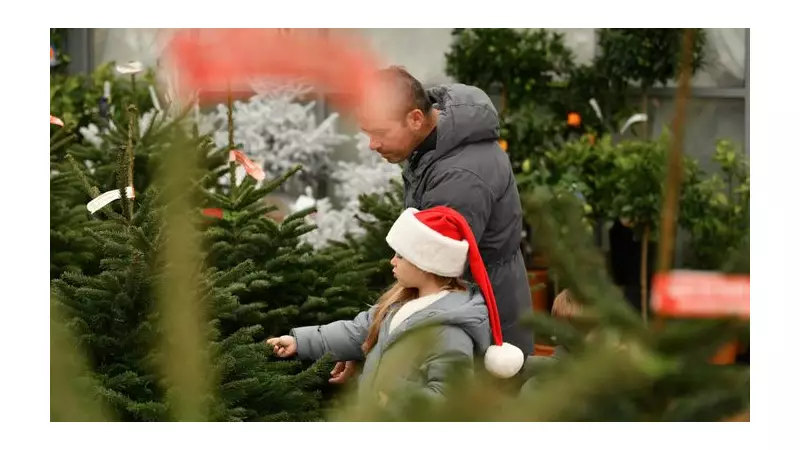
The first and most crucial step is to measure your available space before you even think about heading to the garden centre. Knowing both your ceiling height and the width of the area where the tree will stand is essential. Armed with a tape measure, you can avoid the common pitfall of being seduced by an impressively large tree that simply doesn't fit.
Andy Little from British Garden Centres advises that the most effective way to save money is to choose a tree that is the appropriate size for your room. The size directly determines the cost, and there is no sense in purchasing a tree that requires extensive, potentially damaging, trimming to make it fit.
When it comes to shape, perfection often comes with a premium price tag. While the most expensive trees will be perfectly conical with a uniform appearance, you can find fantastic bargains by considering less-than-perfect specimens. "Hold up the cheaper trees and check where the bald spots are, the flat sides and the uneven gaps," suggests Little. "Turn the tree around several times to see if there's an angle you could position it in your home, where it will still look fantastic. Think of the decorations you could use to cleverly hide and disguise the blemishes."
Exploring Smaller and Potted Options
You don't need a giant tree to make a big impact. Nigel Lawton from Dobbies Garden Centres highlights that smaller trees can be just as impactful as large ones, especially when grouped with other houseplants to create a full, festive display. He recommends styling small, pot-grown trees on a table to achieve the desired height and decorating them just as you would a larger tree, using lightweight baubles and wire lights to avoid straining the branches.
Andy Little points out that Picea trees, which tend to be up to a metre tall, are ideal for a windowsill or tabletop. These can often be purchased pre-decorated in a festive pot cover, offering a convenient and charming option, or you can personalise them with your own favourite decorations.
Opting for a pot-grown tree also presents several advantages. They typically arrive in garden centres by the end of October, a full month before cut trees. Although the initial cost may seem higher, buying early gives a greater sense of 'getting your money's worth'. More importantly, with good care, they last longer. "They're very thirsty plants, so ensure they aren't allowed to dry out – you want them moist, not soggy," Little cautions. "Keep them away from heat sources – radiators, fireplaces and underfloor heating are a Christmas tree's nightmare." After Christmas, you can slowly acclimatise the tree in an unheated garage or porch before placing it outside, offering the potential to reuse it the following year.
Ensuring Longevity and Festive Flourishes
Needle drop is a primary concern with real trees. Budget-friendly options like the Norway spruce are more susceptible to shedding than pricier Nordmann firs. To combat this, either buy them closer to Christmas day or leave them outside until you are ready to decorate.
Vigilant watering is critical. Mark Sage from B&Q emphasises, "To minimise needle droppage on any cut tree, ensure it is not placed close to any direct heat source, or in rooms kept above an average house temperature." In the right location, a cut tree should last five to six weeks with minimal needle drop.
For freshly cut trees, Nigel Lawton recommends a specific routine: "Once you get it home, keep it outside in a sheltered area, cut one inch off the base of the trunk and stand it in a bucket of water until you are ready to bring it indoors – this will help reduce needle drop." Using a stand with a water reservoir makes this maintenance much easier.
Finally, don't view a little judicious trimming as a negative. Mark Sage suggests using any surplus branches and clippings as additional decoration. "These can be used to create festive garlands for mantelpieces or stair banisters, woven into wreaths for doors, or simply placed in small vases with water to add a lovely natural scent and touch of greenery to different rooms around the house."