A vast, grey-brown mound awaits visitors at one of Europe's largest sewage treatment facilities, offering a stark visual representation of a worsening problem beneath Birmingham's streets.
The Growing Mountain of 'Rag'
Perched on a metal walkway above a torrent of murky water, the scale of the issue becomes immediately clear. This is Minworth Waste Water Treatment Works, where sewage from approximately 1.8 million people in Birmingham and the Black Country arrives for processing. On a typical day, the plant handles around 6,500 litres per second, though recent rain had increased flow to 9,000 litres during a visit in December 2025.
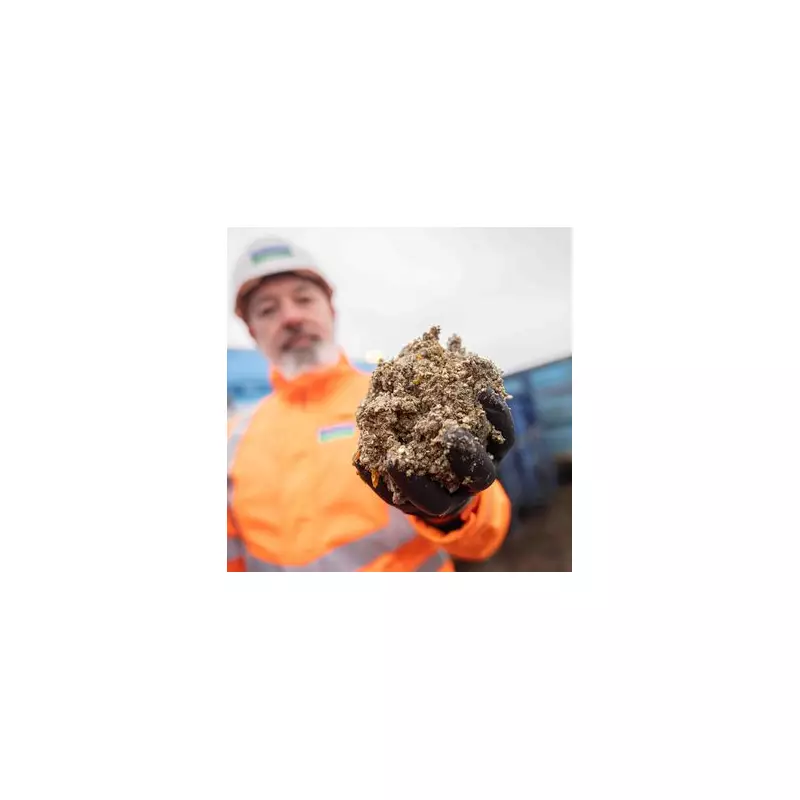
Next to the screens that filter out litter, the mound in question is piled high. It consists of what Severn Trent Water (STW) workers call 'rag' – primarily baby wipes and sanitary products that have been incorrectly flushed down toilets. Every single day, 15 tonnes of this material is removed and sent to landfill, a figure that is increasing annually.

"It seems easy to chuck them down the toilet but you'll end up flooding your own property," warned Grant Mitchell, 55, the Blockages Lead at STW. He emphasised that sewer pipes are often no wider than a toilet roll. Philip Powell, 66, a senior technician with 44 years of service, confirmed the trend, stating: "When I first started, you never saw as much rag as you do now."
From Gloves to Guns: The Bizarre Items in the Sewers
Buried within the rag, workers find a shocking array of items. Alongside condoms and a dead rat, the team has discovered a pair of goalkeeper gloves. However, the history of the Minworth site includes even more unusual finds.
"There's been a whole horse before," revealed Grant Mitchell. Other retrieved items have included:
- Guns and knives (handed to police)
- Motorbike parts and lorry tyres
- A Christmas tree and a shed
- Children's toys, often flushed accidentally
Not all debris makes it to the treatment plant. Around 30,000 blockages occur across the West Midlands sewage network each year. These can cause costly flooding for homeowners, environmental damage, and disrupt communities by flooding roads and recreational areas.
The Fatberg Menace and the Fightback
An equally severe cause of blockages is FOG – Fats, Oils, and Grease. Poured down sinks, these substances congeal into solid 'fatbergs' within pipes. The proliferation of fast-food restaurants in the region exacerbates the issue. "Every high street in Birmingham has got at least one," noted Philip Powell.
Grant Mitchell explained that while large fatbergs take years to form and are constantly cleared, it's the sheer volume of smaller blockages that overwhelms the system. In response, STW works with about 11,000 Food Service Establishments (FSEs) annually, offering education and advice, with prosecution as a last resort for illegally dumping FOG.
A key solution is the installation of grease traps, which are not a legal requirement but are strongly advised to help FSEs meet their legal duty to prevent FOG entering sewers. There's a financial incentive: collected FOG can be sold to be turned into biofuel, a practice used by companies like McDonald's. Households are also urged to dispose of cooking fats in the bin, not the sink.
A Message for Every Household
The tour of the seven-mile-long Minworth site concludes at large circular pools where water, now clean, undergoes final treatment before being released back into the environment – reportedly cleaner than the river water itself. Everything is recycled where possible, with grit and fat processed, and sewage turned into fertiliser.
The final plea from Severn Trent is simple. To prevent blockages, flooding, and environmental harm, residents must follow the 'three Ps' rule: the only items that should ever be flushed down the toilet are pee, poo, and (toilet) paper. Everything else belongs in the bin.