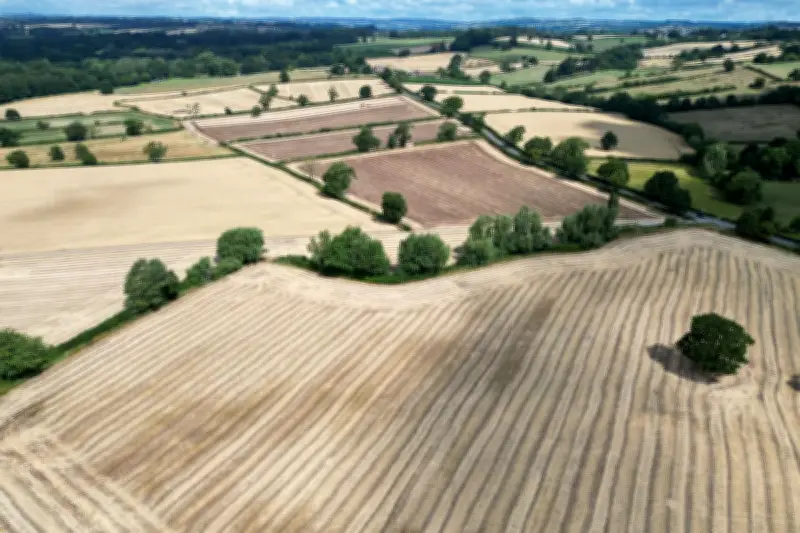
The Environment Agency has officially declared a drought in the West Midlands, following months of exceptionally low rainfall. The declaration triggers a series of measures aimed at conserving water supplies and protecting the environment.
The region has seen less than half the average rainfall since March, with river flows and groundwater levels dropping significantly. Reservoirs in the area are at critically low levels, prompting water companies to urge customers to use water wisely.
Water Restrictions and Warnings
Water companies including Severn Trent Water and South Staffordshire Water have implemented voluntary water-saving measures, with the possibility of hosepipe bans if conditions worsen. A Severn Trent Water spokesperson said: 'We are asking everyone to do their bit to save water. Small changes can make a big difference.' The Environment Agency has also issued drought permits to allow companies to abstract water from rivers and reservoirs at reduced flow rates.

Local councils have warned that parks and gardens may suffer, and green spaces could turn brown if the dry spell continues. Fire services are on high alert for wildfires, especially in rural areas.
When Will It Rain Again?
The Met Office forecast for the West Midlands shows no significant rainfall expected for at least two weeks. High pressure is dominating the region, bringing dry and sunny weather with temperatures above average for the time of year. Long-range forecasts suggest a possible shift in late August, but uncertainty remains high.
According to the Met Office, 'the probability of above-average rainfall in the next month is low. The current weather pattern is stubborn, and we need a change in the jet stream to bring rain.'
Impact on Wildlife and Agriculture
Low river levels are threatening fish populations and other aquatic life. The Environment Agency has warned that some rivers could dry up completely if the dry spell continues. Farmers are struggling with parched soil and reduced crop yields, with some already requiring emergency water supplies.
Wildlife trusts have advised people to put out water for birds and small animals and to avoid disturbing stressed wildlife. The dry conditions are also affecting trees, with signs of early leaf fall and stress.
What the Public Can Do
Residents are urged to take simple steps to conserve water: take shorter showers, fix dripping taps, use a watering can instead of a hose, and avoid washing cars or using pressure washers. Water companies offer free water-saving devices such as shower timers and cistern displacement bags.
Businesses are also being encouraged to reduce their water usage, especially in sectors like hospitality and manufacturing. The drought declaration is a stark reminder of the need for long-term water resource planning as the region adapts to changing climate patterns.