Severn Trent Water has publicly raised the alarm over its reservoir network in the West Midlands, confirming that water supplies have been stretched to their lowest seasonal point for many years. The company, which serves approximately 4.6 million people across a wide area including Birmingham, Wolverhampton and Coventry, said the impact of an unusually dry summer is now visible at several of its major storage sites.
While detailed capacity figures were not immediately released, Severn Trent described the current water levels as 'well below the average' for this point in the calendar year. The firm also noted that demand for drinking water has surged during the recent heatwave, placing additional strain on an already stressed system.
Why are West Midlands reservoir levels dropping?
The chief cause, according to Severn Trent, is a prolonged shortage of rain across the catchment areas that feed the region's reservoirs. Rainfall totals have consistently failed to reach the monthly averages since late spring, and the Met Office has reported wider patterns of drier weather across central England. The result is that rivers feeding into the reservoirs have slowed to a trickle, with some streams entirely dry in the upper reaches.

Compounding the issue is increased daily water demand. During the hottest days of the summer, peak usage in the Midlands remained significantly higher than normal as people watered gardens and enjoyed outdoor activities. Severn Trent has said it is pumping more water than usual from its treatment works, which in turn puts pressure on the raw water stocks held in highland reservoirs and underground aquifers.
Has Severn Trent announced any restrictions?
So far, the firm has stopped short of introducing a blanket hosepipe ban, but it has announced that it is preparing contingency plans. Such measures would likely apply to domestic and garden use rather than essential services. In a statement, the company said it will continue to review the situation on a daily basis and would keep customers informed of any new developments.
Historically, restrictions in the West Midlands have included a ban on using hoses or sprinklers for cars and lawns. However, the company stressed that current water quality and supply remain adequate for essential health and safety needs, including drinking, washing and fire-fighting.
What effect is the drought having on the wider region?
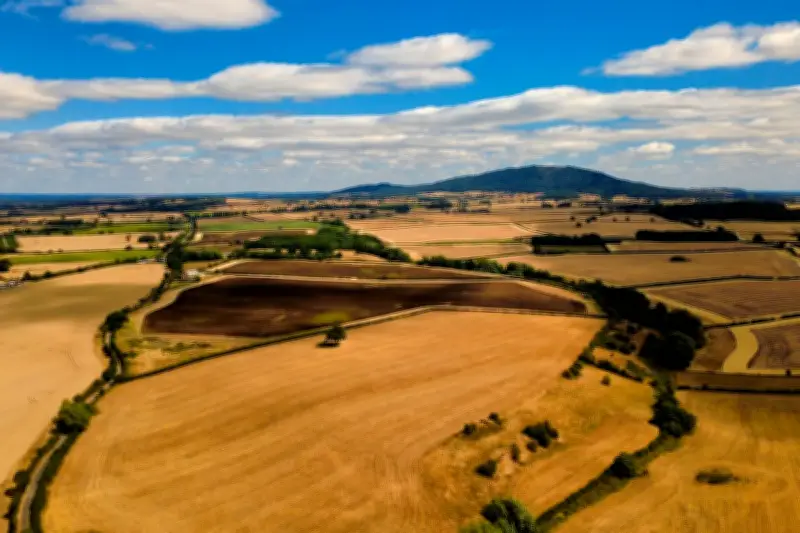
Beyond the reservoirs themselves, the drought is having a noticeable effect on the local landscape. Parks and gardens have turned brown, and some rivers in the surrounding countryside are running at unusually low levels. Environmental groups have also raised concerns about the health of fish and other wildlife as aquatic habitats begin to shrink.
Severn Trent’s own monitoring indicates that the lack of rain has reduced the amount of water seeping into the ground, leaving groundwater levels lower than usual. This is important because groundwater acts as a natural buffer, helping to sustain river flow during dry weather.
What do the experts say?
Analysts have suggested that continued high pressure over the Atlantic could delay any meaningful rainfall for several more weeks. While Severn Trent has not provided exact projections, its message is clear: unless customers reduce usage, the risk of further action increases.
The company also highlighted that investment in new pipe works and water-saving technology is ongoing. Large-scale schemes to repair leaking mains and develop new supply sources are part of the long-term effort to make the region more resilient to climate change and population growth.

How can residents help reduce pressure on reservoirs?
- Take shorter showers instead of baths wherever possible.
- Use watering cans rather than hosepipes to water plants.
- Only run washing machines and dishwashers with full loads.
- Fit water-saving devices on taps and toilets to cut wastage.
- Report visible leaks in the street or at home to Severn Trent.
Severn Trent has also produced an online ‘saving water’ guide that suggests steps for carrying out a simple home water audit. Simple habits, such as turning off the tap while brushing teeth, can save thousands of litres per household every year. Even modest changes across millions of households can collectively keep millions of litres in the reservoirs.
What happens next?
The coming weeks will be critical. If the dry pattern persists, Severn Trent is likely to apply to the Environment Agency for a drought permit or formally implement a temporary use restriction. Such permits would allow the company to continue abstracting water from rivers and aquifers at a managed rate, ensuring that taps do not run dry.
In the meantime, the company has promised to provide a further update in due course. Households and businesses across the West Midlands are being asked to concentrate on small behavioural changes that can have a large cumulative impact.
This is not the first time the region has faced this scenario. Severn Trent dealt with a similar situation in the mid-1990s, and more recent dry winters have also tested the network. Each time, public cooperation and careful management have seen supplies through. The firm is again counting on residents and businesses to play their role in safeguarding the water supply for the rest of 2022 and beyond.