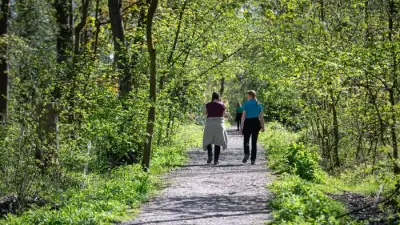
The national Big Farmland Bird Count (BFBC) has officially commenced for 2026, marking the thirteenth year of this crucial annual census. Organised by the Game & Wildlife Conservation Trust (GWCT) with sponsorship from the National Farmers' Union (NFU), the initiative runs until February 22nd. It calls upon farmers, land managers, and conservation professionals across the United Kingdom to spend time on their land over the coming fortnight, meticulously recording avian populations.
A Vital Snapshot of UK Farmland Biodiversity
This nationwide effort provides an invaluable, real-time snapshot of bird species thriving on British farms. The core mission is twofold: to raise public awareness of the indispensable role farmers and land stewards play in conserving native farmland birds, and to underscore the significant impact of government-backed agri-environment schemes. The data collected forms a fundamental evidence base, illustrating trends in the countryside and measuring the effectiveness of various conservation interventions.
Launch Event at Pioneering Leicestershire Farm
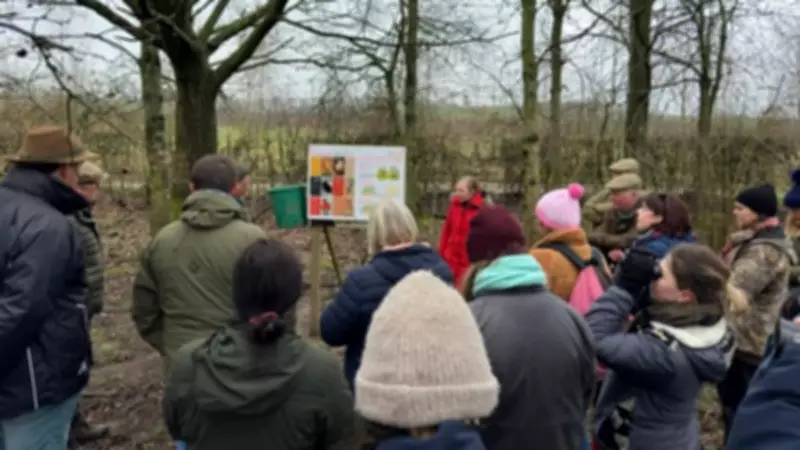
The 2026 count was inaugurated last Wednesday with a special event at the GWCT's flagship demonstration site, the Allerton Project in Leicestershire. Over sixty guests, including farmers, journalists, and representatives from major organisations like the NFU, Natural England, the RSPB, and the Woodland Trust, gathered for the occasion. The day featured guided walks across the farm's fields, offering hands-on bird spotting with expert guidance and insights into the site's ongoing research into sustainable land management.

The Allerton Project itself is a testament to integrated land use. Established in 1992 following a generous donation of the 320-hectare estate by Lord and Lady Allerton, it has long championed the coexistence of productive farming with a flourishing natural environment. Notably, it was on this very farm that the concept for the Big Farmland Bird Count was first conceived more than a decade ago.
Leadership Voices on Conservation and Data
Nick von Westenholz, Chief Executive of the GWCT, emphasised the count's growing reach and importance. "Participation has more than tripled since we began in 2014," he stated. "This initiative is vital for highlighting the critical conservation work undertaken by farmers and for measuring its real-world impact. The data gathered by land managers is essential for building a robust evidence base to understand our countryside and identify which actions truly benefit nature."
He added that the count complements the Trust's extensive scientific research by providing a broad-scale environmental snapshot that would be impossible without the participation of thousands of dedicated individuals across the UK's farmed landscape.
David Exwood, Deputy President of the NFU, echoed this sentiment. "The NFU is proud to sponsor the Big Farmland Bird Count. It's a fantastic event that we urge all our members to join," he commented. "Farmers are already achieving great things for conservation while producing food. This count is a simple yet powerful way to showcase the positive environmental story unfolding on British farms."
The Urgent Need for Farmland Bird Recovery
The count's significance is underscored by stark statistics. Since 1970, the UK has lost an estimated 73 million wild birds, with more than one in four species now on the conservation Red List. Farmland birds have been hit hardest, suffering a precipitous 63% decline over the past fifty years. With farmland constituting 72% of UK land, the key to reversing this alarming trend lies squarely with those who manage it.
Biodiversity recovery must progress hand-in-hand with sustainable food production. The BFBC helps pinpoint what conservation methods are working, allowing farmers to measure the impact of their efforts. This evidence is crucial for demonstrating why continued government funding for agri-environment measures is essential. Over the past decade, the count has already revealed positive trends, such as a four-fold increase in yellowhammer populations on farms implementing specific agri-environment schemes and supplementary feeding.

Addressing the Causes of Decline
Historic changes in agricultural practices are largely responsible for the decline. The widespread removal of hedgerows and natural corridors, coupled with intensive pesticide use since the 1970s, has drastically reduced food sources and habitat for species like yellowhammers, corn buntings, and grey partridges. Increased populations of predators such as crows and foxes have also placed additional pressure on bird populations.
Practical Measures for Farmers
The BFBC also promotes actionable steps farmers can take, especially during the challenging winter "hungry gap" when food is scarce. Recommended measures include:
- Hedgerow Management: Planting and sympathetically managing hedges—avoiding annual cutting—to provide nesting sites, shelter from predators, and berries and insects for food.
- Field Margins: Creating and maintaining wide, pesticide-free conservation headlands or sowing seed-bearing plant strips to nourish birds.
- Uncropped Land: Leaving some cultivated areas uncropped to provide foraging and nesting ground for species like lapwing, skylark, and stone curlew.
- Water Features: Developing ponds or wetland areas to attract wildfowl and wading birds.
Embracing Digital Data Collection
This year, data submission has been streamlined with the introduction of the PERDIXPro Fieldbook app. Participants can now input bird counts directly onto their mobile phone or tablet while in the field, or save a draft to complete later. The app simplifies result processing, though a paper count sheet option remains available for those who prefer it. Full participation details, bird identification guides, and count sheets are accessible on the official Big Farmland Bird Count website.