
Essex Woman Unknowingly Sold Protected Bat Skulls and Taxidermy Without Required Licence
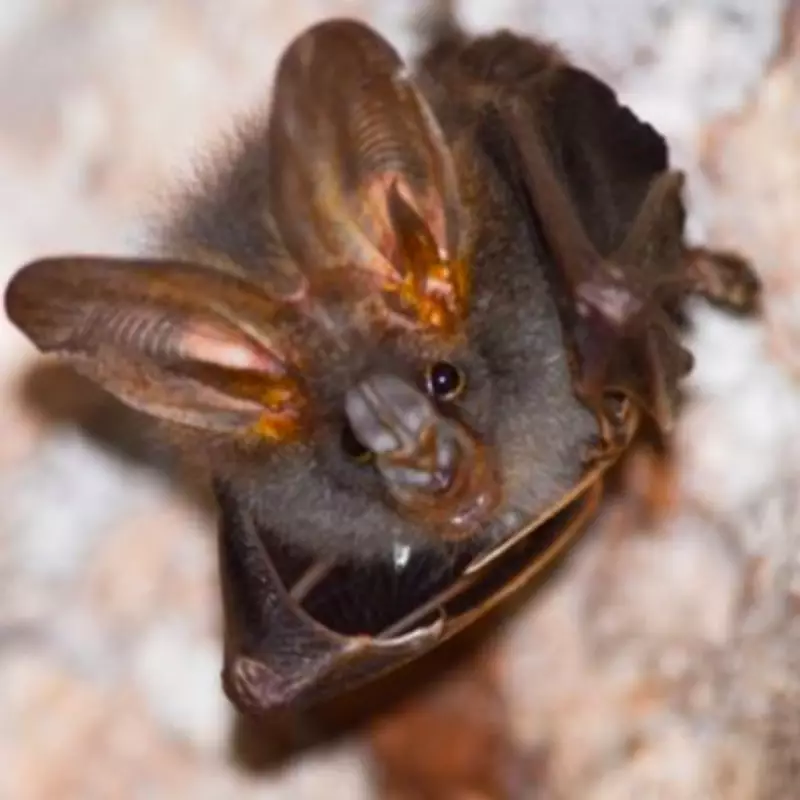
In an unusual wildlife crime case, a woman from south Essex has been found selling bat skulls, taxidermised bats, and parts of crows without realising she needed specific licences for protected species. Essex Police described the incident as particularly uncommon, noting the individual had never been in trouble with the law before.
Legitimate Business Operation Without Proper Documentation
PC Terry Verrall, who investigated the case, explained that the woman was running what she believed to be a legitimate business but was unaware of the legal requirements surrounding protected wildlife. "She'd never been in trouble with the law before and didn't know what licences are needed for selling taxidermy items," he stated. The officer emphasised that it's an offence to buy, sell, possess, or transport any dead bat or bat parts without appropriate authorisation.
Intervention by Rural Engagement Team
The force's Rural Engagement Team was alerted by Natural England about the woman's activities involving bat skulls, taxidermised bats, and crow parts. PC Verrall continued: "This case is quite unusual, so we spoke to Natural England and the police National Wildlife Crime Unit about it. They were keen to ensure the woman was properly educated about what she can and can't stuff or sell so she doesn't repeat the mistake."
Protection Laws for Endangered Species
The seized items will be destroyed as part of the resolution. PC Verrall highlighted the importance of wildlife protection laws: "The laws surrounding the buying and selling of protecting animals and birds are there to protect species which are rare, endangered or at risk of extinction. Our world is a beautiful place, enriched by the wildlife it contains, and we are committed to safeguarding it for future generations."
Community Resolution Outcome
The incident was resolved through a community resolution, which is an informal, voluntary, and non-statutory out-of-court disposal method used by police when offenders admit responsibility and both parties agree on the course of action. This approach allowed authorities to focus on education rather than prosecution, given the woman's lack of prior offences and genuine misunderstanding of licensing requirements for protected species.