
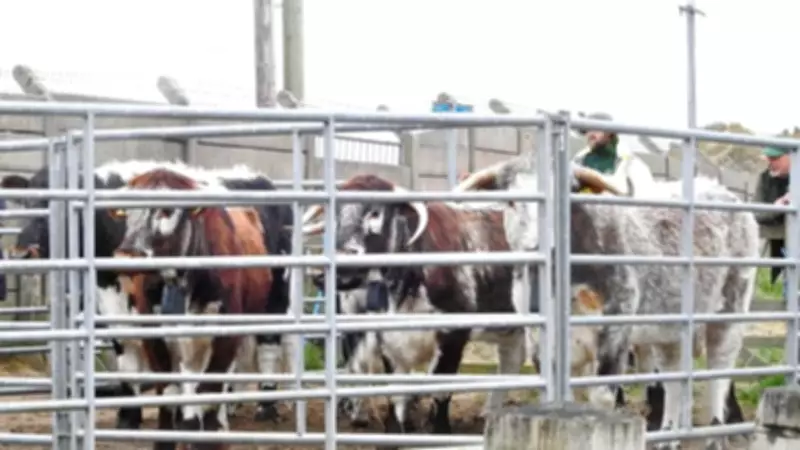
With the last of the wintering herd of English Longhorns having left Green Sefton's grazing enclosures for another summer, it is a great time to reflect on the positive effect these large beasts have on protected coastal habitats. The Longhorn herd, owned by Lancashire Wildlife Trust, grazes three enclosures—two at Birkdale and one at Ainsdale Local Nature Reserves—from October to April each year.
As large livestock, they not only graze the rank vegetation left behind after autumn but also break up areas, exposing sand and keeping regrowth down. For a sand dune system, this is vital to maintain overall habitat health and create an environment that most key protected species on the coast rely on.
Already, the results of their winter work are clear to those who visit the dunes regularly. Spring annual wildflowers are thriving in the lowered sward, with Rue-leaved Saxifrage putting in one of the best showings in recent years. This tiny but beautiful wildflower has always flourished on the dune system but seems to be doing better than ever this year. Heath Dog Violet is also abundant, creating gorgeous splashes of colour amid the more subdued hues of sand and Marram Grass. This plant is vital for caterpillars of the Dark Green Fritillary butterfly and a host of other early emerging insects.
A more open habitat with more patches of sand is ideal for Sand Lizards and Natterjack Toads. While the main populations currently occur away from the grazing areas, they are separated by only a short distance of what is now becoming attractive habitat. Hopefully, wanderers like the Natterjacks, which can cover surprising distances in a single evening—earning them the nickname 'running toad'—will take advantage of new corridors of this improved habitat and return to areas they have found inhospitable for decades.
With less scrub and a hotter, more open landscape, more of the coastline is returning to prime real estate for these specialised species thanks to conservation grazing, scrub clearance, and removal of invasive species.
While the cattle have left the enclosures and will not return until autumn, dog owners are reminded to keep their pets under control. At this time of year, the dune system is populated by ground-nesting birds including Lapwings, Skylarks, and Meadow Pipits, which are incredibly vulnerable to disturbance. When adults leave the nest due to approaching visitors, eggs can chill or fall prey to opportunist feeders like Carrion Crow, Jackdaw, and Magpie. In recent weeks, resident breeders have been joined by a marvellous array of summering warblers, and while many sing from high exposed perches, they nest at ground level and are vulnerable to the attentions of dogs not under control.
John works for Green Sefton, the Sefton Council service that brings together Coast & Countryside, Parks & Greenspaces, and Grounds Maintenance teams for a joined-up approach to managing Sefton's beautiful coastline, parks, and green spaces. This column looks at the flora, fauna, and history of the coastline and the work carried out to protect it.