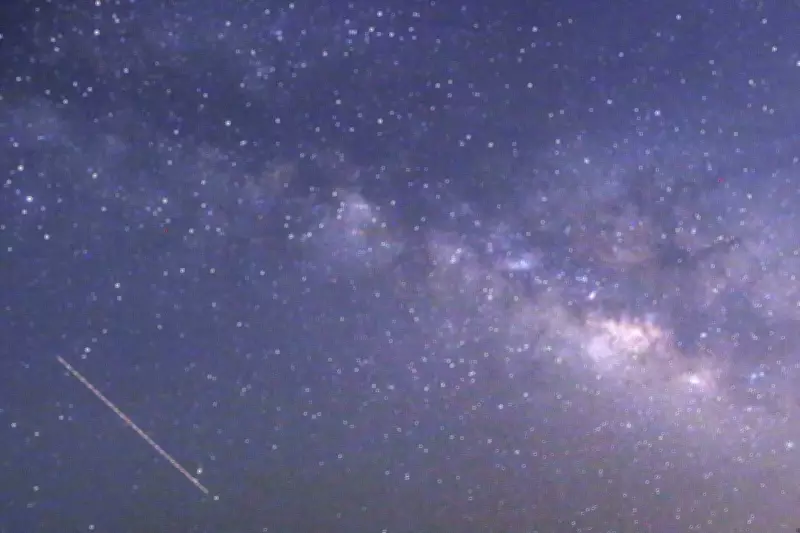
Lyrid Meteor Shower Peaks: Where to Watch in the West Midlands
The Lyrid meteor shower, active from April 16 to 25, is set to reach its peak on Wednesday, April 22, 2026. As the oldest recorded meteor shower still visible today, with observations dating back to 687 BCE, this celestial event offers a rare opportunity for stargazers in the UK. With predicted clear skies in parts of the West Midlands, conditions may be ideal for spotting these ancient meteors.
Best Dark Sky Areas for Viewing the Lyrids
According to Royal Museums Greenwich, the optimal way to observe meteor showers like the Lyrids is to visit a dark site with an unobstructed view of the sky. The West Midlands boasts several designated Dark Sky areas perfect for this purpose. Key locations include Barr Beacon in Walsall and multiple spots in Shropshire, such as Carding Mill Valley, Cross Dyke Car Park, Shooting Box Car Park, and Pole Cottage. These areas provide minimal light pollution, enhancing visibility for astronomy enthusiasts.
Weather Forecast and Viewing Times
The Met Office forecasts clear skies for Walsall before and at 10pm on April 22, after which conditions are expected to turn partly cloudy, with temperatures hovering around 6°C to 7°C. Similarly, the Long Mynd area in Shropshire is predicted to have clear skies before and at 11pm, followed by partly cloudy weather, with temperatures ranging from 5°C to 6°C. For the best chance to see the Lyrid meteor shower, aim to look after the Moon sets, from 2am onwards. At this time, the Earth's rotation aligns with the debris cloud, making meteors easier to spot. If viewing before 2am, the BBC recommends looking towards the east or south-east away from the Moon for a darker sky.

Other Meteor Showers to Watch in 2026
Beyond the Lyrids, 2026 promises a series of other meteor showers for astronomy fans. Key dates include:
- Eta Aquariids: Active from April 19 to May 28, peaking on May 6.
- Alpha Capricornids: Active from July 3 to August 15, peaking on July 30.
- Southern Delta Aquariids: Active from July 12 to August 23, peaking on July 30.
- Perseids: Active from July 17 to August 24, peaking on August 13.
- Draconids: Active from October 6 to 10, peaking on October 9.
- Orionids: Active from October 2 to November 7, peaking on October 21.
- Taurids: Southern active from September 10 to November 20, peaking October 10; Northern active from October 20 to December 10, peaking November 12.
- Leonids: Active from November 6 to 30, peaking on November 18.
- Geminids: Active from December 4 to 20, peaking on December 14.
- Ursids: Active from December 17 to 26, peaking on December 22.
These events provide numerous opportunities throughout the year for stargazing and meteor watching across the UK.