
The natural calendar on the Sefton Coast is accelerating at an unprecedented pace. Dune Helleborine, once considered the region's signature orchid and a symbol of its sandy habitats, now flowers and fades within days due to climate extremes. This year, flower spikes were spent in a matter of days, a stark reminder of how rapidly the environment is changing. John Dempsey, who has surveyed the area for four years, observed these shifts firsthand while working south of the Alt estuary.
Signs of Autumn Arriving Early
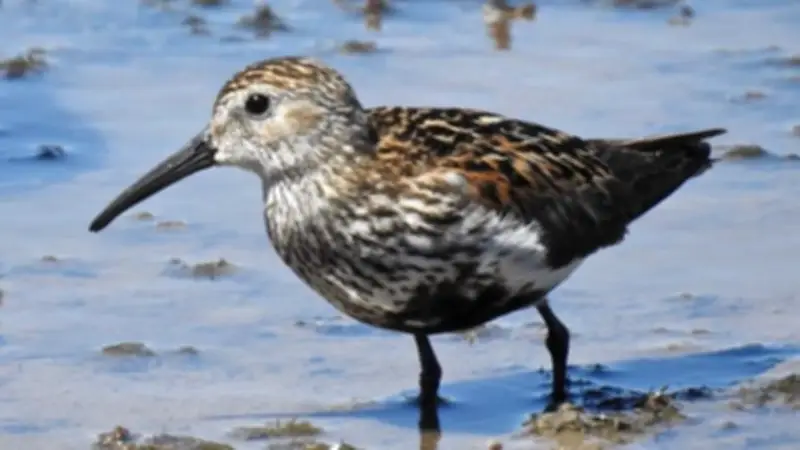
During a recent survey, Dempsey noted that coastal grasses had been bleached white by prolonged heat and drought. But below the surface, the mudflats, channels, and rocks were alive with change. A party of Turnstone foraged alongside six dozing Whimbrel, while flocks of Dunlin, Knot, and Golden Plover arrived to join high tide roosts. Oystercatchers and Curlew, which depend on the sand banks year-round, were increasing in number. The sleepy atmosphere of June has been replaced by a sense of transience as birds begin their long journeys south.
Migration's High Stakes for Wildlife
These birds are largely returning travellers from the Arctic, where the breeding season has ended. While humans associate August with summer holidays, for the natural world it is already autumn. The air crackles with excitement as another migration season builds. Large congregations of terns are gathering along the coast, and Mediterranean Gulls with dazzling white wings are appearing more frequently in gull roosts from Crosby to Marshside.
Migration is one of the natural calendar's highlights, but it also demands greater awareness from human visitors. Many of the birds—especially waders—are long-distance travellers, stopping off on journeys that would rival Odysseus. They are tired and must be left in peace to feed and rest, storing energy for the next leg. A few simple actions by visitors can vastly improve their chances of survival.
How Visitors Can Help
Whether dogwalkers, horse riders, joggers, hikers, birdwatchers, or photographers, everyone should avoid approaching flocks of birds on the coast, whether they are feeding or roosting (sleeping in large groups). Horse riders are advised not to visit the beach two hours either side of high tide. Dogwalkers must keep pets under control and well away from wildlife. Without sufficient body fat, waders become too weak to complete their journeys and can die from disturbance, burning precious energy flying to avoid perceived threats.
The long-running Green Sefton "Give Birds A Break" campaign—supported by the RSPB, National Trust, Natural England, and other authorities nationwide—reminds visitors of the need to leave these incredible birds in peace. Those interested in becoming volunteer ambassadors with the campaign can contact Jordan Scott, Green Sefton's community ranger, at jordan.scott@sefton.gov.uk.
About the Author and Conservation Efforts
John Dempsey works for Green Sefton, the Sefton Council service that integrates Coast & Countryside, Parks & Greenspaces, and Grounds Maintenance teams to manage and protect Sefton's coastline, parks, and green spaces. His column explores the flora, fauna, and history of the coastline, highlighting the work done to preserve this fragile habitat. As climate change continues to blur the seasons, the message remains clear: give birds a break, and ensure their survival for generations to come.