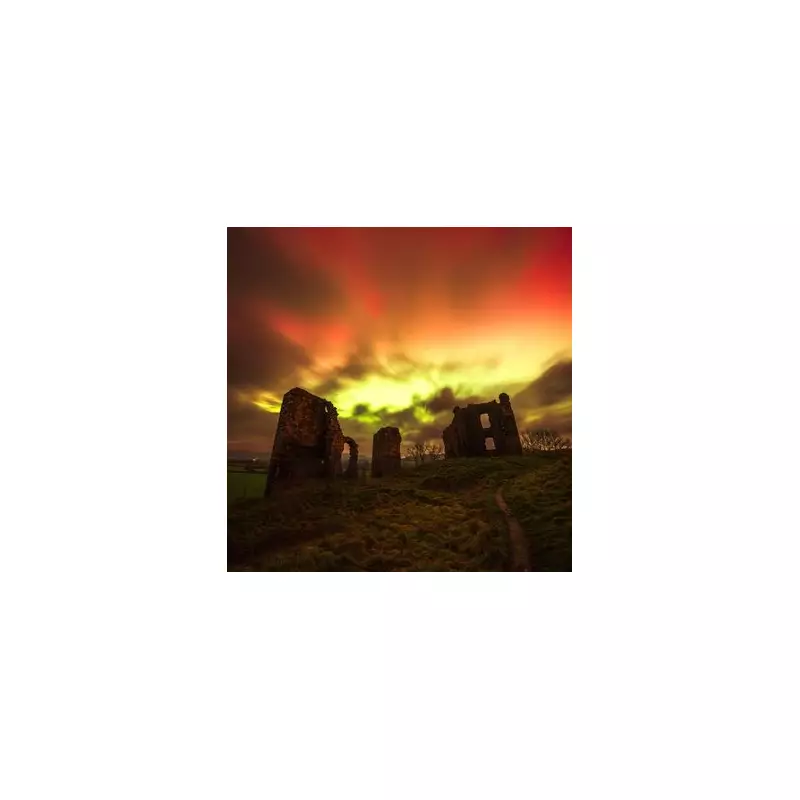
As the United Kingdom enters a period of heightened solar activity, skywatchers across the nation are on high alert for the spectacular Northern Lights. While sightings are most commonly reported in Scotland and Northern England, strong geomagnetic storms can occasionally push the Aurora Borealis far enough south to be visible across the Midlands and beyond. Social media has been buzzing with many pictures from recent nights, showcasing the ethereal display.
Current Forecast and Viewing Conditions
Current space weather forecasts suggest a period of moderate geomagnetic activity over the coming days, offering a potential window for sightings in northern regions. To successfully witness the aurora, clear skies away from light pollution are absolutely essential to catch a glimpse of the shifting green and purple ribbons dancing across the heavens.
Monitoring the Kp-Index for Optimal Viewing
To track the best time for viewing, enthusiasts should closely monitor the Kp-index. This scientific measure assesses the strength of geomagnetic storms on a scale of 0 to 9. A rating of Kp 5 or higher is usually required for the aurora to be visible from the northern UK, with higher values increasing the likelihood of sightings further south.

Expert Smartphone Photography Techniques
Capturing the perfect aurora photograph on a smartphone requires specific techniques to overcome the challenges of low-light conditions. Firstly, you must activate your device's 'Night Mode' and ensure the phone is kept as still as possible throughout the exposure.
Essential Camera Settings and Equipment
Using a tripod or leaning your phone against a solid surface will prevent the blurring caused by any slight movement during the necessary long exposure times. On both iPhone and Android devices, manually increase the exposure time to 10 or 15 seconds to allow the lens to gather more light. This technique often reveals vibrant colours that are sometimes invisible to the naked eye, especially during weaker displays.
Experts strongly recommend turning off your camera's flash entirely and setting the focus to 'infinity' or a distant point to ensure the sky remains sharp and in focus. Avoid using digital zoom at all costs, as this will significantly reduce the image quality and introduce unwanted graininess to your shots, ruining the delicate details of the aurora.
Choosing the Perfect Viewing Location
For the best chance of success, travel to a designated dark-sky location facing a clear northern horizon, well away from the orange glow of city lights. Patience is absolutely key, as the aurora can fluctuate dramatically in intensity, often appearing and disappearing within a matter of minutes. Be prepared to wait and watch the skies for this breathtaking natural phenomenon.