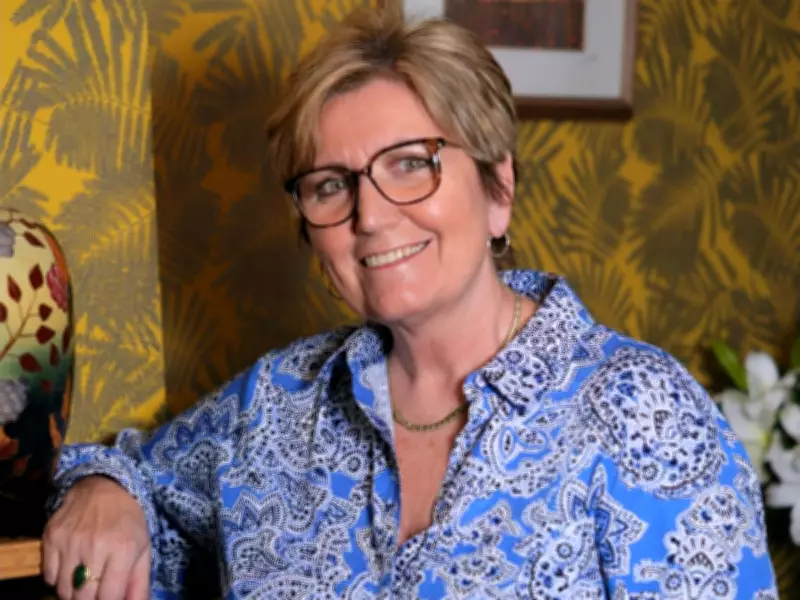
A Survivor's Story: The Private Healthcare Nightmare of Deborah Douglas
In 2003, Deborah Douglas faced her worst nightmare when she found a pea-sized lump in her breast. She had suspected health issues since collapsing on holiday the previous year, but initially attributed it to stress. Upon discovering the lump, she ignored it for months, overwhelmed by grief and exhaustion after both her parents recently died from different cancers. She felt unable to confront another health battle, especially her own.
The Path to Diagnosis
After several months, Deborah finally mentioned the lump to her GP. They were reassuring, suggesting it was likely nothing serious but would refer her to a hospital. However, the waiting list could be months long. Remembering the private health insurance from her engineering job at Rolls Royce, which she had never used, Deborah hoped private medicine would offer faster and better care.
Just days later, she met Ian Paterson, a consultant at the hospital now known as Spire Parkway. Paterson, a tall, heavy-set man in his forties wearing a tailored suit, fit the plush surroundings of the private hospital. He was friendly and engaging, quickly getting down to business. He recommended a scan and tests, including an ultrasound.

The Devastating Diagnosis and Treatment
When the ultrasound results came back, Paterson said a biopsy was needed to test for cancer. The biopsy returned positive, and Deborah was told she needed a mastectomy of her left breast along with lymph node removal. Paterson offered an immediate breast reconstruction using muscle and blood from her stomach, joking, "You'll go in with two boobs, and come out with two boobs and a nice flat stomach." Additionally, she was to undergo over six months of chemotherapy starting in January 2004, which Paterson said would improve her chances of destroying the cancer.
The Gruelling Recovery Process
Recovery was gruelling and traumatic for Deborah. She experienced constant pain, difficulty walking, weight gain from chemotherapy drugs, and hair loss. Simple physical tasks became impossible, and she no longer recognised her body. Living in constant fear of the cancer returning, she said, "I was still grieving my parents, and their deaths from cancer were constant reminders of how things might have gone."
This story serves as a stark reminder of the challenges faced by cancer patients and the importance of vigilant healthcare. Deborah's experience underscores the need for thorough medical oversight and support during such difficult times.