The Memory Matters pilot project in North Birmingham has reduced dementia assessment and treatment waiting times for people aged over 80 by 20 weeks, from 31 weeks down to 11 weeks.
The service, led by Birmingham and Solihull Mental Health NHS Foundation Trust (BSMHFT) with the Alzheimer's Society and Age Connects West Midlands, has delivered 109 assessments over six months through 17 GP practices. It brings together GPs, dementia specialists and community organisations to offer a more local and streamlined pathway for older adults concerned about their memory.
Assessment-to-treatment time falls by 52 per cent
The time from assessment to treatment has also fallen by 52 per cent, from 15 weeks to seven weeks. The service aims to provide people aged 80 and over with an assessment and, where appropriate, a diagnosis within 12 weeks.
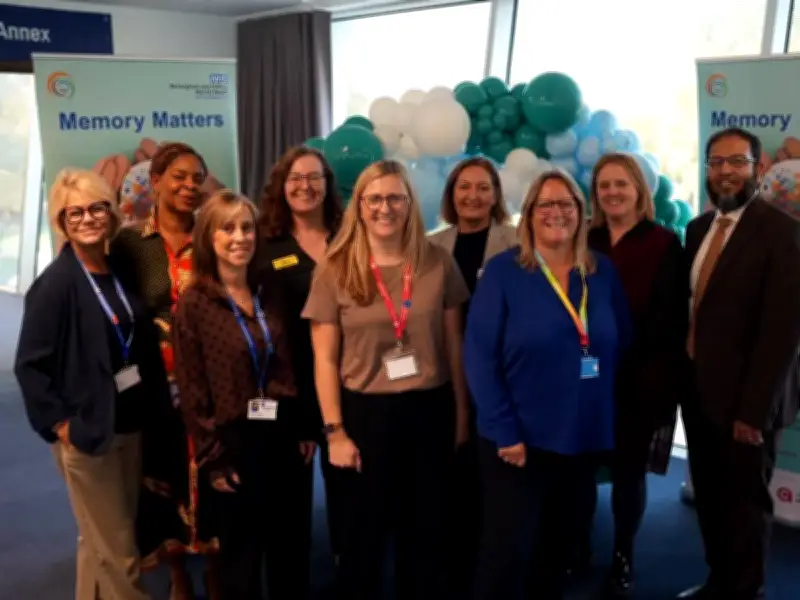
The project was funded with £500,000 from NHS Birmingham and Solihull's Fairer Futures Fund. An official launch of Memory Matters was held at Alexander Stadium in Birmingham.
Community-focused approach praised
Lou Pickering, Community Service Manager for BSMHFT's dementia and frailty services, said: "We're trying to make things more local to people's homes, quicker, easier but also raise the profile across the communities about when might you be concerned about your memory."
An estimated 13,000 people are currently living with dementia across Birmingham and Solihull, a figure expected to exceed 17,000 by 2040.
Impact and next steps
The pilot's success in cutting waiting times could inform wider rollout across the region. By working directly with GP practices, the service reduces the need for hospital referrals and brings specialist support closer to patients' homes.
With the number of people living with dementia in Birmingham and Solihull projected to rise by more than 30 per cent by 2040, the model may become increasingly important in managing demand and improving early diagnosis rates.