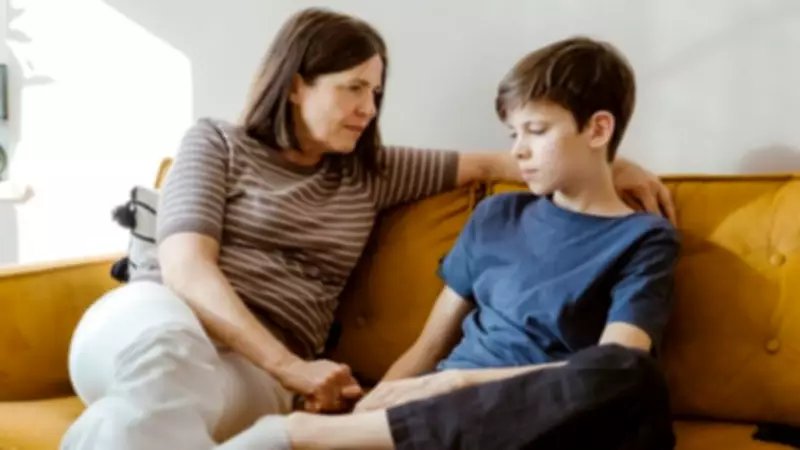
Sharing news of a cancer diagnosis with family is incredibly tough, especially when it comes to helping children understand. Most parents would not know where to start. With cancer diagnoses reaching an all-time high due to a growing and ageing population, Camilla Foster sought guidance from Robin Muir, a clinical psychologist at Maggie's Manchester. Maggie's has been offering free emotional, practical, and psychological support to those living with cancer, along with their loved ones, for 30 years.
Find the Right Moment
Muir advises parents to think about times during the day when their child might have more energy and capacity for such a conversation. For example, taking them out of school early can give them time and energy to process an emotional response, rather than telling them before bed when they are tired and may struggle to absorb information.
Be Honest to Maintain Trust
Honesty is crucial to maintaining trust and connection with your child. Muir explains that if parents are not honest, there is a risk to that trust, which might make children question information later. Children are astute and intuitive, often picking up on things earlier than adults suspect. Being appropriately honest protects that trust.

Use Appropriate Language
Consider the language your child already uses. For young children, words like “poorly” or “sick” may be suitable. Older children are more familiar with cancer, so think about their experiences, media consumption, and peer group discussions. However, Muir urges parents not to avoid using the word “cancer” with younger children. Introducing the term can be educational and less scary than leaving it unnamed.
Utilise Resources
There are many helpful resources online, books that facilitate conversation through stories, charities specialising in this area, and NHS nurses who can guide parents on talking to children about cancer. Preparing and thinking ahead about what information to share can prevent overwhelming the child with too much detail.
Recognise It’s an Ongoing Conversation
Muir emphasises that this is a conversation that happens over time, not just a single talk. The initial conversation should open up discussion and provide crucial bits of information, leaving it open for regular follow-ups. It is important to tell children that it is okay to have an emotional response, whether sad, angry, or other feelings. They should know they can ask questions in whatever way works best for their family, whether verbally, in a neutral setting like a Maggie's centre, or by writing down worries.
You Don’t Need to Be Perfect
Muir reminds parents that it is okay to get it wrong. The process can be a learning experience for both parent and child, discovering what language feels comfortable. Data from Cancer Research UK’s Cancer in the UK Report 2026 shows 403,000 people are diagnosed annually, with cases rising to 620 per 100,000 over the last decade, while early detection rates remain stagnant at 55%.