Great Barr Father Clinically Dead for 45 Minutes After COVID Cardiac Arrest
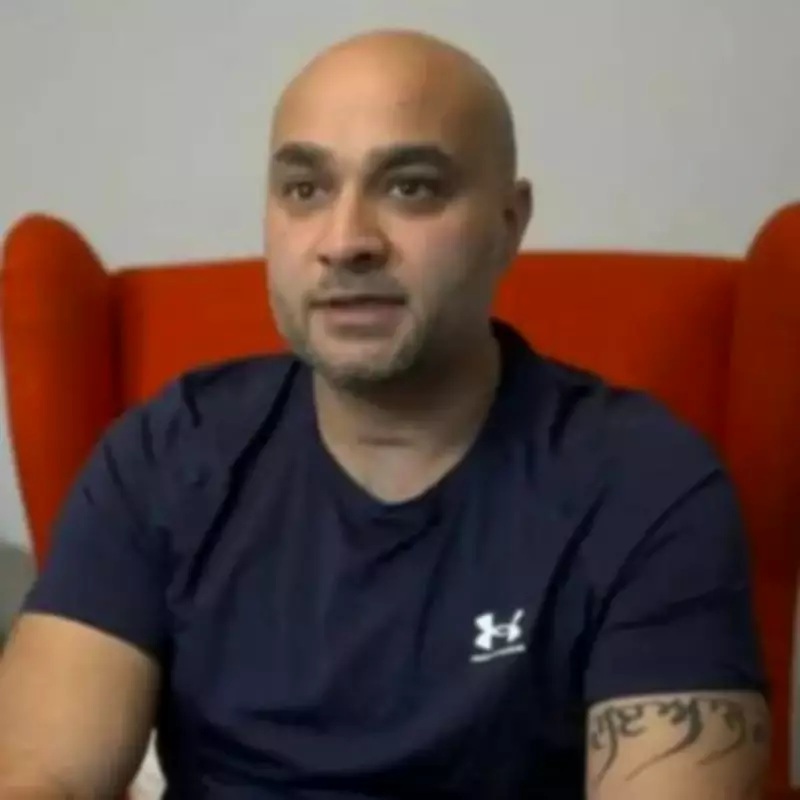
Sarbjit Singh, a 44-year-old father-of-three from Great Barr, experienced a life-altering event in 2020 when he was clinically dead for 45 minutes after suffering a cardiac arrest triggered by coronavirus. Resuscitated at Birmingham City Hospital using an innovative double defibrillator technique, his survival and subsequent recovery have reshaped his entire outlook on existence.
A Harrowing Medical Emergency
In the early hours of November 26, 2020, Sarbjit began experiencing severe chest pains. His wife, Raj Kaur, who was five months pregnant at the time, immediately called for an ambulance. Tragically, Sarbjit went into cardiac arrest not once, but four times during this critical period.
Clinical death, defined as when breathing stops and the heart ceases pumping blood to vital organs, set in as medical teams at Birmingham City Hospital fought tirelessly to revive him. After 45 minutes of unsuccessful efforts, they were on the verge of declaring his death.

Innovative Technique Saves a Life
At this crucial moment, cardiologist Dr. Arijit Ghosh suggested implementing an extreme new technique he had recently studied: double sequential external defibrillation. This method involves using two defibrillators simultaneously—one placed on the patient's front and one on the back—delivering maximum-dose shocks in rapid succession.
"I just couldn't believe what he's done for me," Sarbjit expressed regarding his doctor's intervention. Dr. Ghosh later attributed the father's survival to his "mental strength which took [him] through this tough journey."
Transformed Perspective on Life and Death
The most disturbing aspect of his near-death experience, Sarbjit revealed, was the realization that his children had been left without their father, even temporarily. "I have no clue where I was," he told the BBC. "All I know is for 45 minutes, my children didn't have a dad. That's a scary, scary thought."
Since his remarkable survival, Sarbjit has embraced a renewed lease on life. "Every moment for me is heightened, life is just amazing for me," he stated. "I've seen just how vulnerable the human body is, but in my own self I've also seen how resilient, stoic and superhuman it can be."
Miraculous Recovery Against All Odds
Following the cardiac arrest, Sarbjit was critically ill for an extended period. He underwent emergency surgery to remove a blood clot and was placed in an induced coma after suffering significant organ damage. Doctors initially warned he might never walk again, potentially remaining wheelchair-bound for life.
Defying these predictions, Sarbjit focused on his children as motivation. "I looked at my legs and I went, 'you're going to walk towards your kids'—that was a driving force for me," he recalled. His recovery allowed him to celebrate his 40th birthday and witness the birth of his third child, events his grateful family described as miracles.
Remarkable Physical and Emotional Resilience
In 2023, Sarbjit demonstrated his extraordinary recovery by training for and completing the Wolf Run, an endurance race featuring numerous obstacles in Warwickshire. This achievement underscored his transformed perspective and physical capabilities.
"The reason my life's changed is I feel more empowered now than I ever have," Sarbjit explained. "I've got such appreciation for breath and for life and a heartbeat."
Hospital Acknowledges Extraordinary Efforts
Dr. Mark Anderson, chief medical officer at Sandwell and West Birmingham Hospitals, commented on the case: "We are pleased that Sarb has recovered following his cardiac arrest in November 2020 and continue to wish him well. It is a tribute to the efforts of our resuscitation team as they were able to maintain oxygen to his brain whilst extended efforts to restart his heart were ongoing."
A spokesperson for City Hospital noted that the double defibrillator treatment had been employed "as a last resort in this case to save a life," highlighting the innovative approach that made Sarbjit's survival possible.