Midlands Man's Memory Loss Reveals Terminal Brain Cancer, Family Seeks Treatment
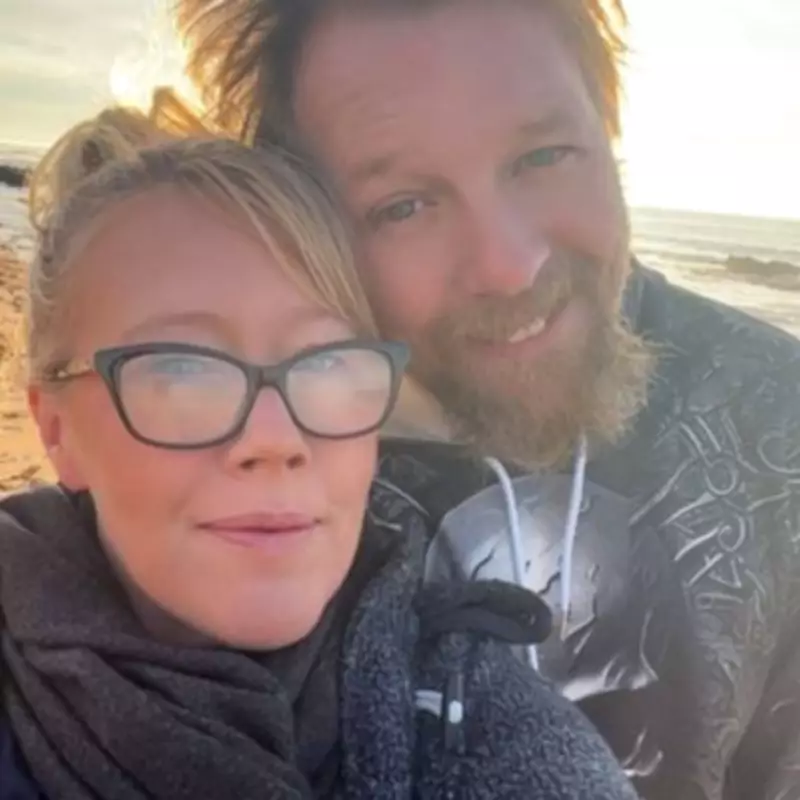
Michael Jepson, a 55-year-old man originally from North Staffordshire, received a devastating diagnosis of stage-four glioblastoma brain cancer in March 2025. This followed initial symptoms of mild memory loss that gradually worsened, leading to the discovery of a large tumour.
From Mild Symptoms to Severe Diagnosis
Michael's wife, Lisa Jepson, detailed the progression of his condition. "In January last year, Michael started to behave differently in small ways that only I would notice," she explained. After convincing him to visit a doctor for the first time in two decades, initial checks only revealed slightly high blood pressure.
However, his symptoms intensified over time, including mild headaches, mood changes, and increasing memory problems. The situation reached a critical point when Michael woke up one morning asking if something was wrong with his brain. Despite paramedic assessments finding nothing initially, his condition deteriorated rapidly.

Emergency Surgery and Terminal Diagnosis
Before a scheduled GP appointment, Michael experienced extreme fatigue and confusion, refusing to eat while believing he had just eaten. After becoming violently sick, he was rushed to hospital where doctors discovered a large mass wrapping around his right temporal lobe.
Emergency surgery removed a cyst and revealed a tumour behind it. While Michael recovered well from the operation, the family received devastating news two weeks later: the tumour was cancerous and diagnosed as stage-four terminal glioblastoma.
The Challenge of Treatment-Resistant Cancer
The tumour was identified as unmethylated, meaning it can resist chemotherapy by repairing its own damaged DNA. Medics placed Michael on palliative chemotherapy, which temporarily stabilised the tumour until a December 2025 scan showed renewed growth.
When surgeons deemed a second operation too risky due to proximity to major blood vessels, the family sought a second opinion from a private surgeon in London who agreed to operate. Remarkably, the community raised the necessary funds in just eight days, enabling the successful surgery.
Pioneering Treatment in Germany
Despite the successful operation, a recent MRI scan confirmed traces of the tumour remain. Standard second-line chemotherapy is unlikely to work due to the tumour's resistant nature. The family is now looking to Germany for a special vaccine treatment using Michael's tumour markers.
"It effectively means his antibodies can fight the tumour without much impact on his life," Lisa explained. However, this pioneering treatment comes with significant costs, estimated at approximately £20,000 plus travel expenses.
Community Support and Fundraising Efforts
The response from the public has been overwhelming. Local initiatives include the "Mow Cop boys" undertaking the Killer Mile challenge, Claire Jepson pledging half of this year's Mow Cop scarecrow trail proceeds, and community raffles and quiz nights.
Additionally, the charity Heather's Heroes has pledged £2,500, with another £2,500 promised when certain fundraising goals are reached. "Michael and I have been so grateful for all the support we've received," Lisa said. "It's heartwarming and amazing. Without people's help, he never would have afforded his surgery."
The family remains hopeful that this final fundraising push will enable Michael to access the life-saving treatment in Germany and potentially overcome this deadly disease.