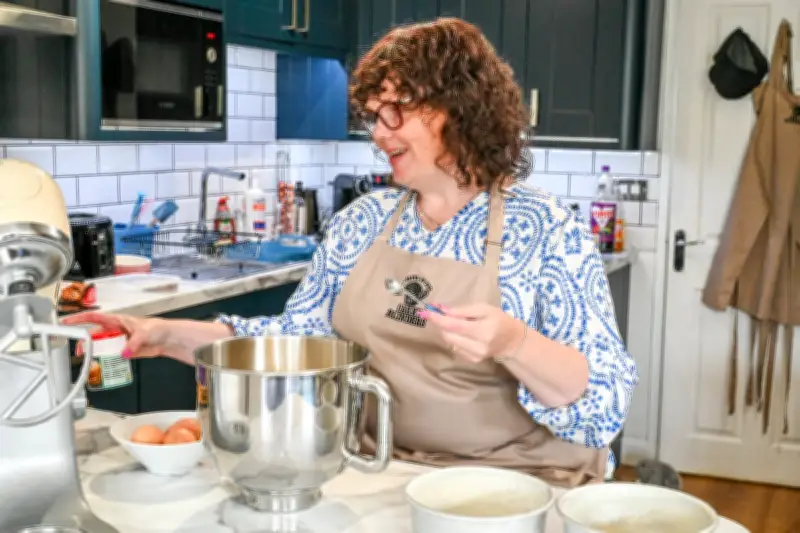
A mother from the West Midlands has spoken candidly about her experience after being diagnosed with a debilitating brain condition that has dramatically altered her everyday life. The condition, which affects cognitive and motor functions, was identified following a series of medical consultations and tests.
The Diagnosis Journey
The woman, who wishes to remain anonymous, first noticed symptoms several months ago, including persistent headaches, memory lapses, and coordination difficulties. After visiting her GP and undergoing scans, she was diagnosed with a condition that impacts the brain's normal functioning. According to her account, the diagnosis came as a shock but also provided clarity after months of uncertainty.
She described the initial period as overwhelming, with a steep learning curve about the condition and its management. "It was like my world turned upside down," she said. "I had to relearn how to do simple tasks, and the fatigue was unimaginable."

Daily Challenges and Adaptations
Living with the condition requires significant adjustments. She now relies on a cane for balance and uses memory aids to keep track of appointments and daily routines. Her family has stepped in to provide support, helping with childcare and household chores. The condition has also affected her ability to work, forcing her to take extended leave from her job in administration.
"I used to be very independent, but now I have to ask for help with things I never thought twice about," she explained. "The support from my husband and children has been incredible, but it's still hard to accept."
Impact on Mental Health
The diagnosis has taken a toll on her mental well-being. She reports feeling anxious about the future and frustrated by her limitations. However, she has found solace in connecting with others who have similar conditions through online support groups. "Talking to people who understand makes a huge difference," she said. "You don't feel so alone."
Medical professionals have emphasized the importance of a multidisciplinary approach to her care, involving neurologists, physiotherapists, and occupational therapists. Regular check-ups and a tailored rehabilitation plan are helping her manage symptoms, though there is no cure for the condition.
Raising Awareness
By sharing her story, the mother hopes to raise awareness about brain conditions and the challenges faced by those living with them. She urges others to seek medical advice if they experience persistent symptoms. "Don't ignore the signs," she advised. "Early diagnosis can make a big difference in managing the condition."
According to the Brain Tumour Charity, around 12,000 people are diagnosed with a brain tumor or other brain condition in the UK each year. While not all are malignant, the impact on quality of life can be severe. The charity provides resources and support for patients and families.
Looking Forward
Despite the difficulties, the mother remains determined to maintain a positive outlook. She has set small goals, such as walking short distances and reading to her children, and celebrates each achievement. "I'm learning to be kind to myself and take things one day at a time," she said. "My family keeps me going."
Her story highlights the resilience of individuals facing life-altering health conditions and the critical role of community and medical support in navigating such challenges.