Stroke Survivor Warns of Rare Reading Symptom in Brain Bleed Emergency
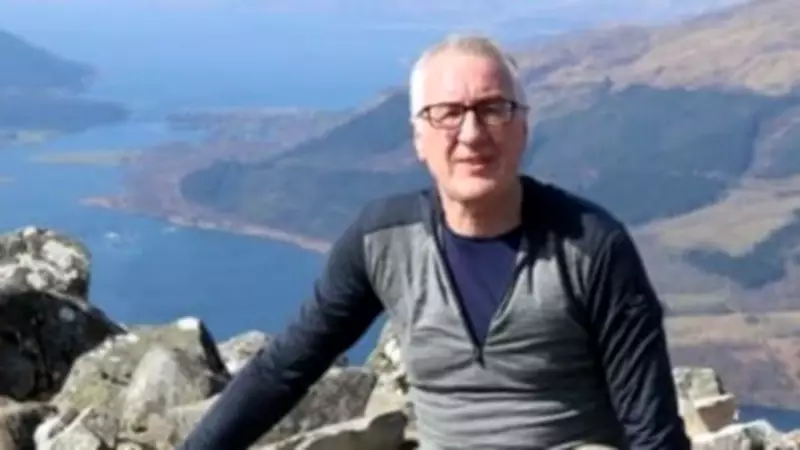
Gordon Robb, a 63-year-old former biotech executive, is urging the public to watch for unusual symptoms after surviving a life-threatening haemorrhagic stroke. His warning comes as he joins a groundbreaking British Heart Foundation (BHF) study at the University of Edinburgh, aiming to develop safer treatments for stroke survivors across the United Kingdom.
A Sudden and Baffling Reading Difficulty
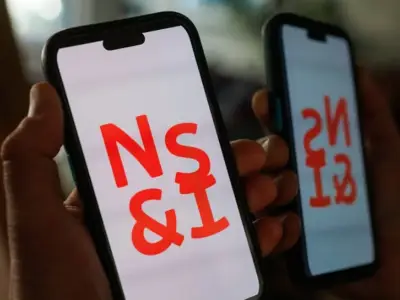
Gordon initially believed he was merely exhausted when the words on his phone suddenly appeared as if written in a foreign language. This rare symptom, affecting less than 1% of stroke patients, involved a complete inability to decipher text despite having clear vision. He had no idea this strange experience was actually a sign of a dangerous brain bleed.
"I was in the garden, went in to have a cup of tea, listen to some music and check my emails on my phone – and it was like they were in a foreign language," Gordon recalled from his home in Bonnyrigg. "I could see them clearly, and see who they were from, but the words meant nothing to me."
Even simple text messages about events like the Ryder Cup became impossible to understand. Most people associate strokes with facial drooping or slurred speech, but Gordon's case highlights the importance of recognizing lesser-known warning signs.
Quick Thinking and Emergency Hospital Admission
After attempting to sleep off the confusion, Gordon found the problem persisted the next morning when he tried to use a cash machine. Fortunately, his cousin insisted on driving him to Accident and Emergency, where doctors quickly admitted him to the stroke ward and confirmed he had suffered a haemorrhagic stroke.
"I am incredibly lucky, and quite honestly felt like a fraud in the stroke ward because I was no different to how I am normally, except that I suddenly could not read words," Gordon explained. "It just shows the importance of paying attention to unusual symptoms, even if they aren't ones you have heard of before."
He emphasized that without this prompt hospital visit and treatment, he could have been "walking around with a ticking time bomb in my head."
Participating in Groundbreaking Medical Research
Gordon is now participating in the 'Aspiring' clinical trial, which investigates whether medications like clopidogrel or aspirin can reduce the risk of future heart attacks and strokes in haemorrhagic stroke survivors. Historically, many clinicians have feared these drugs might cause further bleeding in such patients.
Professor Rustam Al-Shahi Salman, who leads the study at the University of Edinburgh, stated: "The Aspiring study will gather further evidence to establish if aspirin and clopidogrel can help lower the risk of future strokes and heart attacks, and potentially save the lives of people like Gordon who have had a haemorrhagic stroke."
The professor believes significant work remains to support those whose lives have been dramatically affected by this condition. For Gordon, an avid runner and cyclist, the trial offers both personal reassurance and an opportunity to contribute to medical science.
Expert Advice on Recognizing Stroke Symptoms
Dr Sonya Babu-Narayan from the British Heart Foundation stressed the critical importance of timely action during medical emergencies. "If you have a symptom that you feel is not right, however strange or unusual, it is really important to seek help," she urged, noting that every second counts when dealing with potential stroke situations.
Gordon's experience serves as a powerful reminder that stroke symptoms can manifest in unexpected ways. His participation in the BHF-funded research highlights ongoing efforts to improve prevention and treatment strategies, offering hope for better outcomes for stroke survivors nationwide.