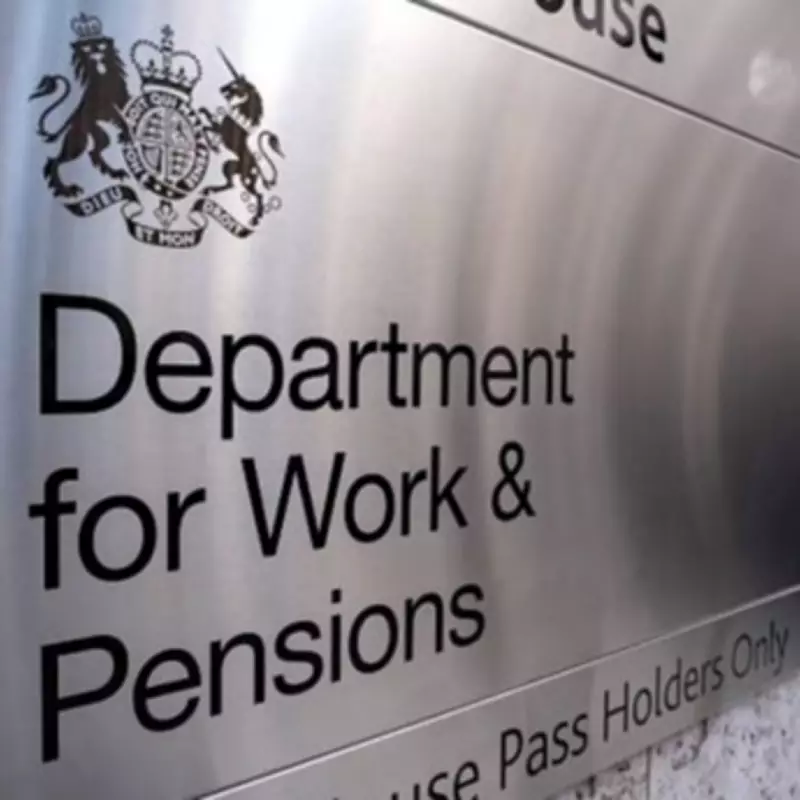
The Department for Work and Pensions (DWP) has implemented significant reductions to its Access to Work scheme, with some claimants experiencing cuts of over 40% to their support hours. This move is placing the employment of disabled workers in jeopardy, as they struggle to maintain their roles without adequate assistance.
NHS Professional Faces Job Loss Due to Support Cuts
Danielle Verity, a psychologist working for the National Health Service (NHS) who has a severe visual impairment, is among those directly impacted. At her most recent renewal, Verity's support was slashed from her previous allocation to just 24 hours per week, a reduction exceeding 40%. This drastic cut has left her fearing for her future in the NHS, a role she describes as "fantastic" and "very varied."
"I was just sobbing to my colleague like, 'What am I going to do?'" Verity revealed in an interview with Big Issue. She emphasised the immense effort required for blind individuals to reach professional levels, stating, "The amount of people who are blind and have reached a level of one, being in work, and two, being at a point of work where they’ve been able to jump through the hoops of whatever training or academia they need to do, is very small."

Government Crackdown and Call for Evidence
The cuts come amid a broader crackdown by the Labour Party government on the Access to Work scheme. In response to growing concerns, the DWP has launched a call for evidence regarding a potential shake-up of the programme. The department is seeking concise submissions that have not been previously published, including an introduction to the individual or organisation and their reason for submitting.
A DWP spokesperson defended the changes, stating, "Access to Work supports thousands of sick or disabled people to start or stay in work, but the scheme we inherited is failing employees and employers. That’s why we’re working with disabled people and their organisations to improve it – ensuring people have the support, skills, and opportunities to move into good, secure jobs as part of our Plan for Change."
Broader Implications for Disabled Employment
Verity's case highlights a critical issue facing many disabled professionals across the UK. She expressed frustration with the government's rhetoric on getting people back into work, saying, "People are like: 'Oh get people back into work.' I’m all for it." However, she argues that cutting essential support undermines these efforts, potentially forcing dedicated employees out of their roles.
The situation raises urgent questions about the balance between fiscal responsibility and the provision of necessary accommodations for disabled workers. As the DWP reviews the scheme, the outcomes could significantly influence employment rates and job security for thousands of individuals relying on Access to Work support to maintain their careers and contribute to the economy.