PIP Changes 2026: A Comprehensive Guide to New Rates and Assessments
Personal Independence Payment (PIP) is undergoing significant transformations in 2026, with updates aimed at enhancing sustainability and fairness within the system. These changes impact weekly payments, award durations, and assessment methods, reflecting a broader effort to address the rising disability benefits bill while ensuring support for claimants in England and Wales.
Key Updates to Personal Independence Payment
This year brings six major modifications to PIP, including financial adjustments and procedural reforms. From increased payment rates to extended award periods, these updates are designed to streamline processes and improve accessibility for those relying on disability support.
Increased Payment Rates from April 2026
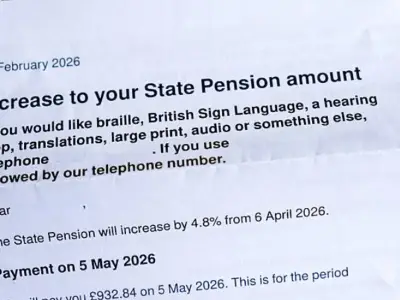
Starting April 6, 2026, PIP rates will rise by 3.8%, aligning with the Consumer Price Index (CPI) inflation measure from the previous September. The enhanced daily living component will increase to £114.60 per week, while the enhanced mobility rate will reach £80 per week. This adjustment ensures that payments keep pace with economic changes, providing crucial financial relief for recipients.

Extended Award Durations for Claimants
To reduce assessment backlogs, the Department for Work and Pensions (DWP) is implementing longer award periods. For many claimants aged 25 and over, new awards will now last a minimum of three years, with potential extensions to five years upon successful review. This shift aims to decrease the frequency of reassessments, offering greater stability for individuals.
Rise in Face-to-Face Assessments
The government is significantly increasing in-person appointments to verify eligibility for disability support. The proportion of face-to-face assessments is set to rise to 30% this year, moving away from the telephone-based consultations adopted during the COVID-19 pandemic. Official statistics from September last year show that 77.5% of PIP assessments were conducted over the phone, 13.8% were paper-based, 5% involved in-person appointments, and 3% used video calls.
The Timms Review Findings
Scheduled for Autumn 2026, the Timms Review, led by disability minister Sir Stephen Timms, is expected to recommend fundamental reforms to PIP points and assessments. While the government insists it is not aimed at cost savings, the review must operate within existing expenditure forecasts, meaning it cannot propose higher payment tiers than those currently in place.
Motability Scheme Tax Changes
Beginning in July 2026, tax reliefs for the Motability Scheme will be reformed. The scheme, which provides cars to those on the enhanced mobility payment of PIP, will see 20% VAT applied to top-up payments for higher-value vehicles, and Insurance Premium Tax (12%) introduced on most leases. Premium brands like Mercedes have been removed to prevent exploitation for luxury cars, while the core benefit-funded portion remains zero-rated.
Motability Launches Separate Review
Motability bosses are conducting a separate review of the scheme, expected to result in additional changes. In a December statement, they announced a six-month evaluation of inclusions and cost management to maintain affordability and sustainability. The priority is protecting core packages, including insurance and maintenance, while ensuring fair prices. No immediate changes are planned, and the scheme continues to operate normally, allowing orders for new vehicles three months before lease ends.