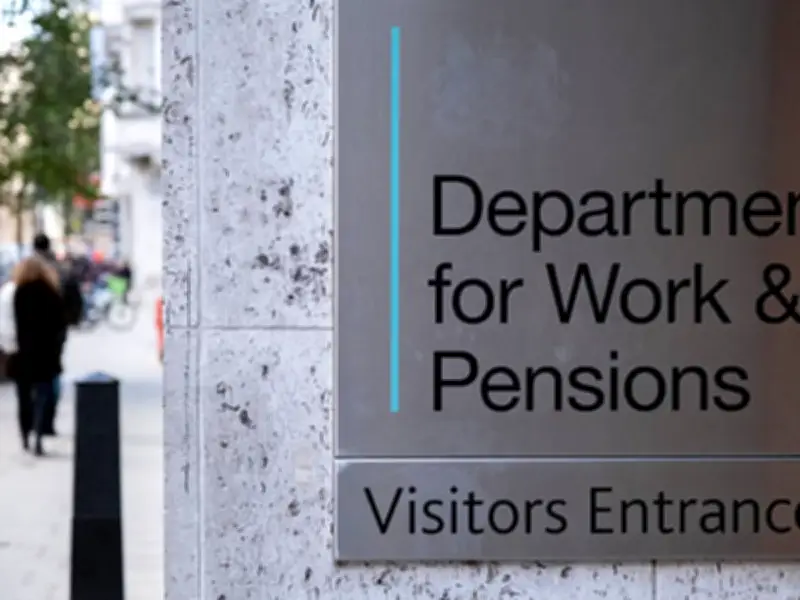
The government has introduced new rules that extend the minimum period before Personal Independence Payment (PIP) claims are reassessed, offering greater certainty for households across the country. Under the changes, most claimants aged 25 and over will now receive the benefit for at least three years before their case is reviewed, a significant increase from the previous nine-month minimum.
The adjustment, implemented under the leadership of Andy Burnham, is designed to reduce the anxiety caused by frequent reassessments and to streamline the assessment process. By extending the review cycle, the Department for Work and Pensions (DWP) aims to free up assessors' time, allowing them to focus on clearing the existing backlog of claims.
New Assessment Periods: What Has Changed?
Previously, PIP cases could be revisited as soon as nine months after an award was made, which often created uncertainty for claimants worried about their payments being altered or stopped. The new rules establish a three-year minimum assessment period for most individuals aged 25 and over. If a claimant remains entitled to PIP after this initial review, the next assessment period will be extended to five years.

This change is part of a broader effort to make the benefits system more efficient while providing stability for those who rely on PIP. The DWP has confirmed that the extended periods apply to new claims and existing awards, though specific circumstances may vary.
Context: The Ongoing Timms Review
The rule change comes amid a major review of PIP's future, led by Sir Stephen Timms. The review's interim findings concluded that the benefit is "not fit for purpose" in its current form, raising the possibility of significant reforms ahead. The government is considering changes that could affect payments for certain conditions, including anxiety and depression, which have seen a surge in claims in recent years, particularly among young adults.
While the extended reassessment periods offer immediate relief, the long-term outlook for PIP remains uncertain. The final recommendations of the Timms review are expected to shape the future of disability benefits, potentially leading to stricter eligibility criteria or revised payment structures.
Impact on Claimants and Assessors
For the four million people currently receiving PIP, the new rules provide a measure of security, reducing the frequency of stressful reassessments. According to the DWP, the change will also allow assessors to dedicate more time to complex cases and reduce the overall processing times for new applications.
However, disability rights advocates have expressed mixed reactions. While welcoming the extended periods, they caution that the ongoing review could undermine these gains if future changes lead to reduced support. The government has emphasised that any reforms will be evidence-based and designed to ensure support reaches those who need it most.
What Happens Next?
Claimants who are due for a reassessment under the old nine-month rule will now have their reviews scheduled at the three-year mark. Those already in the system will see their assessment dates adjusted accordingly. The DWP has advised claimants to monitor their correspondence for updated information about their individual review dates.
As the Timms review continues, stakeholders are urged to participate in consultations to shape the future of PIP. The government has committed to publishing its full response to the review's findings, with further announcements expected in the coming months.