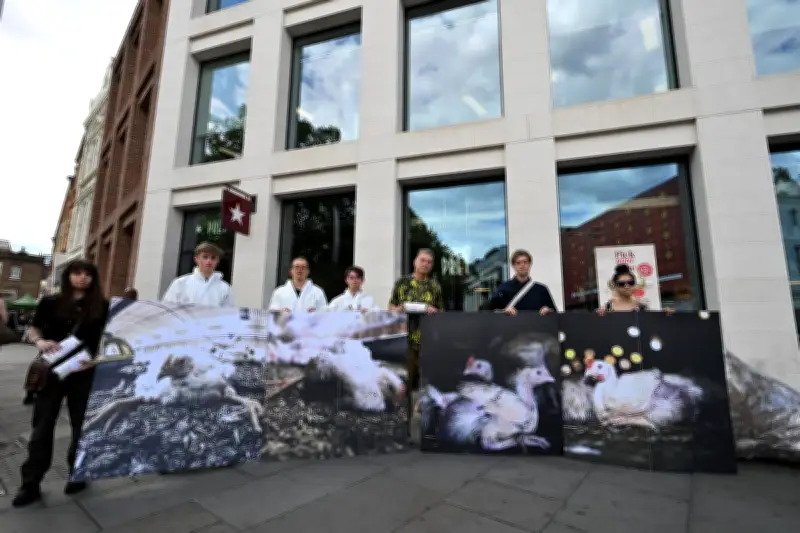
Chris Packham, the broadcaster and naturalist, has declared he will never set foot in Pret A Manger again after the sandwich chain refused to sign up to the Better Chicken Commitment, a set of welfare standards for broiler chickens.
The Better Chicken Commitment
The Better Chicken Commitment (BCC) is a set of welfare standards that includes requirements for lower stocking densities, controlled lighting, and the use of slower-growing breeds. Over 300 companies, including KFC, Nando's, and Marks & Spencer, have already signed up. Pret A Manger, however, has not, citing the increased costs that would be passed on to customers.
Packham's response
Packham, who is known for his work on BBC's Springwatch and his advocacy for animal welfare, expressed his frustration on social media. "I won't set foot in Pret again until they sign the Better Chicken Commitment," he wrote. "It's not just about the chickens; it's about the message they send to consumers and the industry."
He added: "Pret claims to care about ethics and sustainability, but when it comes to the welfare of the animals in their supply chain, they are falling short. It's a shame because I used to enjoy their products."
Pret's position
In response, a Pret A Manger spokesperson said: "We take the welfare of all animals in our supply chain very seriously. We are committed to sourcing high-welfare chicken and have strict standards in place. However, signing the Better Chicken Commitment would require significant investment that would inevitably lead to higher prices for our customers. We are exploring other ways to improve welfare without compromising affordability."
The company emphasized that all its chicken is sourced from farms that meet Red Tractor standards, which include some welfare measures, but these are less stringent than the BCC.
Industry reaction
Animal welfare groups have praised Packham's stance. A spokesperson for Compassion in World Farming said: "Chris Packham's boycott shines a spotlight on the chicken industry's practices. We urge Pret to reconsider and join the growing number of companies that have committed to higher welfare standards."
The British Poultry Council, which represents chicken producers, said it supports improved welfare but warned that the BCC could lead to increased imports of lower-welfare chicken from abroad, undermining British farmers.
Impact on consumers
The debate highlights the tension between animal welfare and affordability. Pret's decision not to sign the BCC may resonate with cost-conscious consumers, but for others, like Packham, ethical considerations take precedence. The chain has faced previous criticism over its animal welfare policies, including a 2019 campaign by the charity Open Cages that targeted its use of caged pigs.
Packham's boycott has garnered support on social media, with many users vowing to join him. Others, however, have defended Pret, arguing that the chain's focus on affordable food is important in a cost-of-living crisis.
What next?
Packham has called on Pret to engage with animal welfare experts and find a way to meet the BCC standards without passing on excessive costs to customers. "There are innovative solutions out there," he said. "Pret has the resources and the influence to make a difference. They just need the will."
As of now, Pret A Manger has not indicated any plans to change its position. The company continues to face pressure from activists and consumers alike, and the outcome of this boycott could have wider implications for the food industry's approach to chicken welfare.