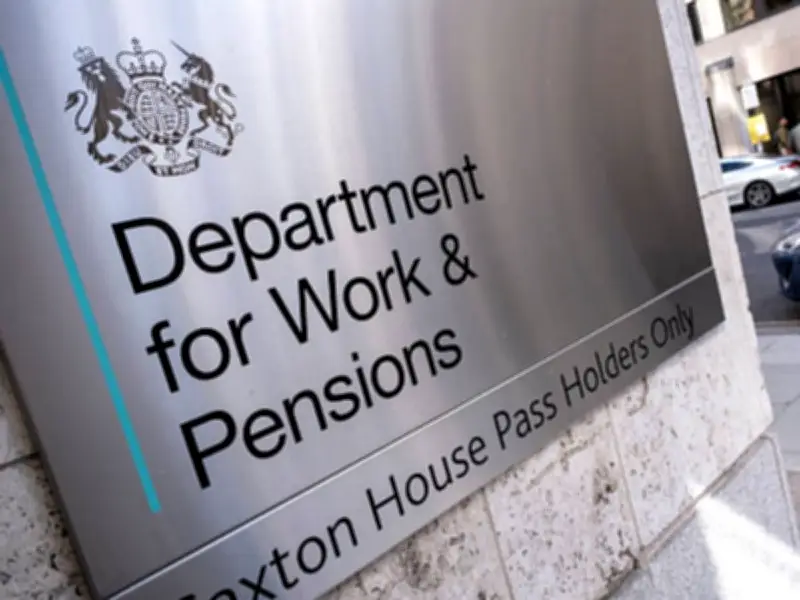
The Department for Work and Pensions (DWP) has confirmed that Personal Independence Payment (PIP) criteria could be changed for nine conditions as a matter of urgency, following the receipt of the first interim Timms Review report. The final recommendations are due this autumn.
Current PIP System Under Fire
The Labour Party government has been warned that PIP is not working for claimants, with concerns raised about whether the current assessment framework delivers fair, equitable and accurate outcomes. The DWP stated: "Across the responses, there is a strong consensus that while PIP is recognised as an essential form of support, there is a mismatch between the assessment criteria and the real-life impact of disability."
Nine Conditions Named for Review
Under the "fairness of PIP criteria" section of the review, the DWP highlighted that many responses argue that the descriptors for both daily living and mobility insufficiently account for certain conditions. The nine conditions named are: fluctuating conditions, mental health, autism, ADHD, dyslexia, dyspraxia, dyscalculia, neurodivergence, and energy-limiting conditions.

One respondent said: "I was told several times during my in-person assessment that it didn’t matter if I would be in pain during an activity, they just needed a yes or no on if I could technically do it." Another added: "Claiming PIP for physically visible disabilities seems fairly straightforward, anything else is essentially a lottery."
Moving Towards a New System
The review will now move forward with creating a new system – from assessments to criteria – that works better for claimants. Liz Bayram, Chief Executive of AdviceUK, commented: "The Timms Review interim findings confirm what free and independent advice services have been telling us for years: the current PIP system is too often complex, distressing, and does not work for many disabled people.
"Every day, our members in the free and independent advice sector support people through lengthy forms, repeated requests for evidence, and confusing assessment processes that can be particularly challenging for people with fluctuating conditions, invisible disabilities, mental health conditions and learning disabilities.
"Much of our advisers' time is spent helping people navigate a system that should be supporting them, not creating further obstacles to living independently and with dignity. We welcome the Review's commitment to creating a fairer and more accessible system. But reform must not become a political euphemism for crude cuts."
Next Steps
Bayram added: "The next phase must be co-designed with disabled people and the free and independent advice services that support them every day. Their experience is essential to building a system that is fair, practical, and fit for purpose."