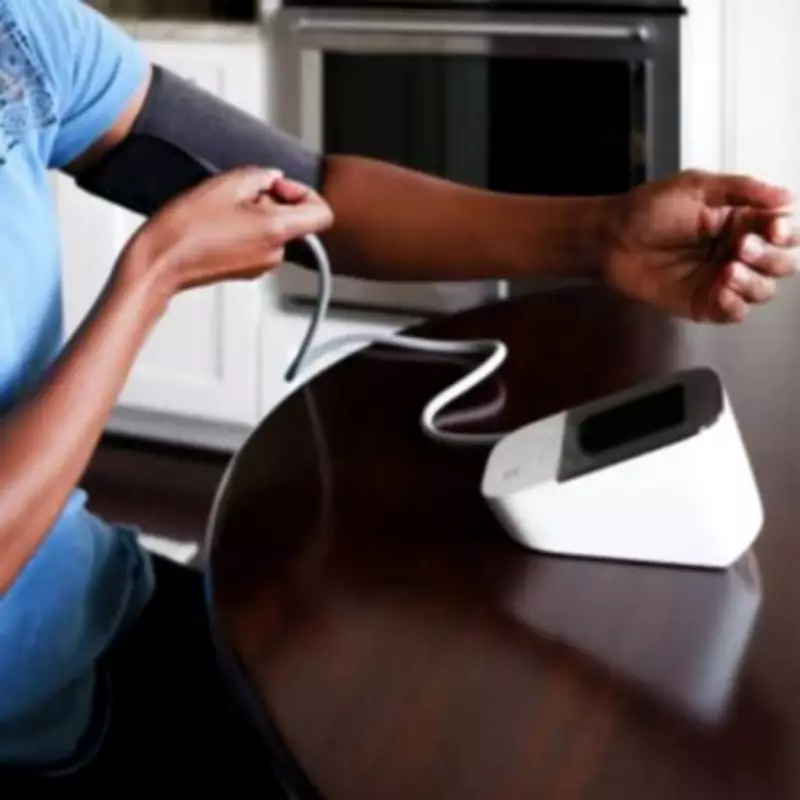
The Department for Work and Pensions (DWP) has released updated figures for Attendance Allowance, revealing that pensioners with certain heart conditions may be eligible for financial support of up to £110 per week, equating to a monthly payment of £306.
Who Qualifies for Attendance Allowance?
To be eligible for Attendance Allowance, you must be over State Pension age. If you have not yet reached that age, you may instead qualify for Personal Independence Payment (PIP). The allowance is designed for individuals with a disability or physical or mental illness—including sight or hearing impairments and conditions such as dementia—who require help with personal care, such as washing or dressing, or supervision to stay safe during the day or night.
You must have needed this help for at least six months. However, if you are terminally ill, you can claim immediately without the six-month waiting period.
Payment Rates
The lower rate of Attendance Allowance is £76.70 per week, which amounts to a minimum of £306 per month. This rate applies if you need frequent help or constant supervision during the day, or supervision at night. The higher rate is £114 per week, for those who require help or supervision throughout both day and night, or if a medical professional has stated that you are nearing the end of life.
Four Heart Conditions That Qualify
The DWP has confirmed that the following heart conditions are among those that can qualify for Attendance Allowance:
- Angina
- Coronary heart disease
- Arrhythmia
- High blood pressure
More than 110,600 people over State Pension age currently receive Attendance Allowance for a heart condition.
How Attendance Allowance Works
Attendance Allowance is intended to help with extra costs arising from a severe disability that requires someone to assist with your care. The DWP states: "You may not think of yourself as disabled, but if you have a health condition or illness that means you need the sort of help we tell you about in these notes, you may be able to get Attendance Allowance."
The department acknowledges that disabilities can fluctuate, with good days and bad days, and that the level of help needed may vary over time. It also notes that daytime and nighttime care needs can differ, and the application form includes separate questions for each.
If the DWP cannot get a clear picture of how your illness or disability affects you, they may arrange a medical examination with a healthcare professional. The Medical Services team will contact you if an examination is required.