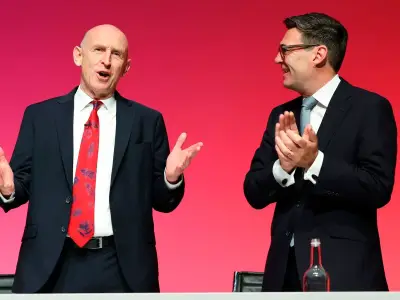
The UK tax authority has confirmed that homeowners can legally boost their tax-free income to £20,070 by combining the standard personal allowance with the Rent a Room scheme. This comes as Prime Minister Andy Burnham faces mounting pressure over the frozen £12,570 threshold, which he has so far refused to raise in the upcoming Budget.
Mr Burnham, who also serves as MP for Makerfield, has been under scrutiny after previously voicing concerns about the frozen threshold during his by-election campaign. However, Labour Party insiders have indicated that any increase would be too costly given the current state of public finances. Economists estimate that lifting the threshold freeze could cost up to £9 billion a year, a figure that clashes with the government's commitment to fiscal discipline.
Rent a Room scheme explained
The HMRC Rent a Room scheme allows individuals to rent out a furnished room in their main residence and earn up to £7,500 per year (£625 per month) tax-free. When combined with the standard personal allowance of £12,570, this creates a total tax-free income of £20,070. The scheme is designed to encourage homeowners to make use of spare rooms, easing housing pressures while providing a financial incentive.
To qualify, the property must be the homeowner's primary residence, not a buy-to-let or investment property. The room must be furnished and within the home where the owner lives. For jointly owned homes, such as those owned by a couple, the £7,500 allowance is split equally, giving each person £3,750 per year.
What happens if income exceeds the limit?
If rental income exceeds the £7,500 threshold, taxpayers have two options. They can either pay tax on the amount above the allowance, or they can opt out of the scheme and calculate their tax under normal property income rules. Opting out may be more beneficial for those with significant expenses that can be deducted, such as mortgage interest, repairs, and insurance.
According to HMRC, the scheme has strict eligibility rules and reporting requirements. Taxpayers must keep accurate records of their rental income and must declare it on their Self Assessment tax return if it exceeds the threshold. Failure to do so could result in penalties.
Government stance on personal allowance
Prime Minister Burnham has pledged to stick to Labour's fiscal rules and has ruled out increasing the main rates of income tax. Sources close to the Prime Minister say that raising the personal allowance is not part of the government's immediate plans to tackle the cost of living. The decision has disappointed some campaigners who argue that the frozen threshold is dragging more people into paying tax as wages rise.
The confirmation from HMRC provides a practical alternative for homeowners looking to increase their tax-free income without waiting for government policy changes. The scheme is particularly relevant in the current economic climate, where many households are seeking ways to supplement their earnings.
How to apply for Rent a Room relief
To benefit from the scheme, homeowners simply need to declare their rental income on their tax return. There is no separate application form, but it is essential to ensure that all conditions are met. The relief is automatic for those earning under the £7,500 threshold, provided they are eligible.
For those with rental income above the threshold, the choice between staying in the scheme and opting out should be made carefully. It is advisable to seek professional advice to determine which option results in a lower tax bill, as individual circumstances can vary significantly.
In summary, while the government has not budged on the personal allowance, the Rent a Room scheme offers a legitimate way for homeowners to increase their tax-free earnings. With the threshold frozen at £12,570, this scheme could provide a valuable financial boost for many.