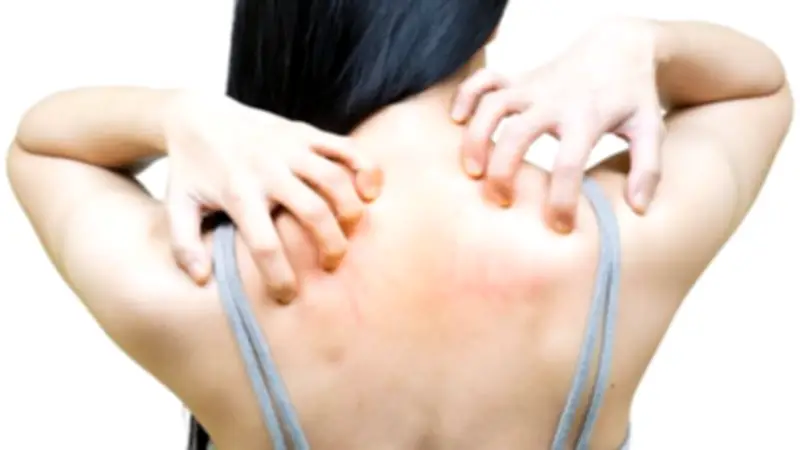
The NHS has issued clear guidance for anyone suffering from heat rash, commonly known as prickly heat, during hot weather. The condition is described as uncomfortable but usually harmless, and it tends to resolve on its own within a few days with proper care.
Recognizing heat rash symptoms
According to the NHS, the key symptoms of heat rash include small raised spots, an itchy or prickly feeling, and mild swelling. The appearance of the rash varies by skin tone: it looks red on white skin and grey or white on brown or black skin. It can occur anywhere on the body.
In a social media post shared over the weekend, @NHSuk stated: "Heat rash is common during hot weather. It is uncomfortable, but usually harmless. It tends to get better on its own after a few days. Here are some tips to help you check if you have heat rash – and advice on how to treat it."
Simple home treatments to soothe the skin
To alleviate irritation, the NHS recommends applying a cold, damp cloth or an ice pack wrapped in a tea towel for up to 20 minutes. Tapping the affected area instead of scratching is also advised, along with avoiding heavily fragranced soaps or body washes. The primary goal is to keep the skin cool and prevent sweating, which can aggravate the rash.
The health service elaborated: "The main thing to do is keep your skin cool so you do not sweat and irritate the rash. To keep your skin cool, wear loose cotton clothing, use lightweight bedding, take cool showers or baths, and drink plenty of fluid to avoid dehydration."
When to seek pharmacist or doctor advice
Both children and adults experience the same symptoms, and while the rash may cover a large area of the body, it is not contagious. For additional relief, a pharmacist can provide guidance and recommend treatments such as calamine lotion, antihistamine tablets, or hydrocortisone cream. However, hydrocortisone cream is not recommended for children under 10 without a doctor's advice.
The NHS advises: "Speak to a pharmacist about heat rash. They can give advice and suggest the best treatment to use. A pharmacist might recommend calamine lotion, antihistamine tablets, or hydrocortisone cream – though not for children under 10 as you'll need to get advice from a doctor before giving them this treatment."
If the rash does not improve after a few days, or if there are concerns about a young baby, it is important to consult a doctor. More detailed information is available on the NHS website.