New AutoMotive is calling on Andy Burnham to slash VAT on public EV chargepoints, as new analysis reveals that around 200,000 drivers with no home charging capability are paying £216 a year in VAT – the highest burden of any group. The warning comes as Prime Minister Keir Starmer's energy bill VAT reduction, effective from October 1, is set to disproportionately benefit those who can charge at home, leaving many without driveways out of pocket.
VAT Cut Misses the Most Vulnerable EV Drivers
The government's decision to reduce VAT on energy bills from 20% to 5% will not apply to public EV charging, which remains at the higher rate. According to New AutoMotive, this means the 9% of drivers who rely entirely on public infrastructure – an estimated 200,000 people – will save nothing from the policy. Instead, they continue to face an annual VAT bill of £216, a figure that far exceeds what home chargers pay.
New AutoMotive argues that the VAT rates on home and public charging should be equalised to ensure fairness. The body has criticised the current system, stating that the cut 'disproportionately benefits EV drivers who could charge at home, and therefore already had the cheapest charging option available to them.'
Four Groups, Unequal Burdens
The analysis categorised EV drivers into four distinct groups: those with a dedicated home charger on a cheap EV tariff; those with a dedicated charger on a standard tariff; those using informal methods like extension leads or 'gully charging'; and those with no home charging at all. For each group, a certain percentage of public charging was still assumed, highlighting that even home chargers are not entirely immune to the higher VAT.
The disparity in VAT rates delivers the Treasury an additional £85 million annually, according to data from Zapmap. This figure is projected to rise to £315 million by 2030, as EV adoption continues to grow. The financial burden on those without home charging is expected to intensify unless action is taken.
HMRC Appeal and Industry Response
The issue is further complicated by an ongoing legal battle. HMRC is currently appealing against a tribunal ruling that stated the VAT rate applied to public charging should be the domestic 5% rate. The case, brought by Charge My Street, could set a precedent for the entire industry.
Daniel Heery, director at Charge My Street, commented: 'If HMRC are given permission (to appeal), we expect the Upper Tribunal to hear the case in due course.' His colleague, Dr Will Maden, added: 'We welcomed the First-tier Tribunal’s judgment that Charge My Street’s supplies of EV charging in public places were subject to the reduced 5% rate of VAT. HMRC are only seeking to appeal against one aspect of the judgment and we look forward to the Upper Tribunal’s consideration of our case.'
Impact on Drivers and the Push for Equality
For the 200,000 drivers affected, the additional £216 annual cost is a significant financial strain, especially as fuel prices remain volatile. The call to equalise VAT rates is not just about fairness but also about encouraging the transition to electric vehicles. If public charging remains more expensive, it could deter potential EV buyers, particularly those in urban areas or without off-street parking.
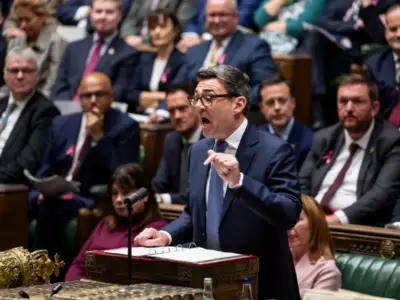
Andy Burnham, as Mayor of Greater Manchester, has been a vocal advocate for clean transport. However, this issue extends beyond regional leadership, requiring national policy changes. New AutoMotive's recommendation is clear: the VAT system must be reformed to support all drivers, not just the privileged few with driveways.
Future Outlook
As the October 1 deadline approaches, the government faces mounting pressure to address this inequality. The Treasury's projected revenue from the VAT disparity – £315 million by 2030 – highlights the scale of the issue. While the appeal process continues, drivers without home charging are left in limbo, uncertain whether they will see any relief.
The call to action is not just for Burnham but for all policymakers. Equalising VAT on public charging would level the playing field, ensuring that the transition to electric vehicles is accessible to everyone, regardless of their living situation. Until then, the 200,000 drivers will continue to bear the brunt of an unequal tax system.