Birmingham Father Clinically Dead for 45 Minutes Saved by Innovative Medical Technique
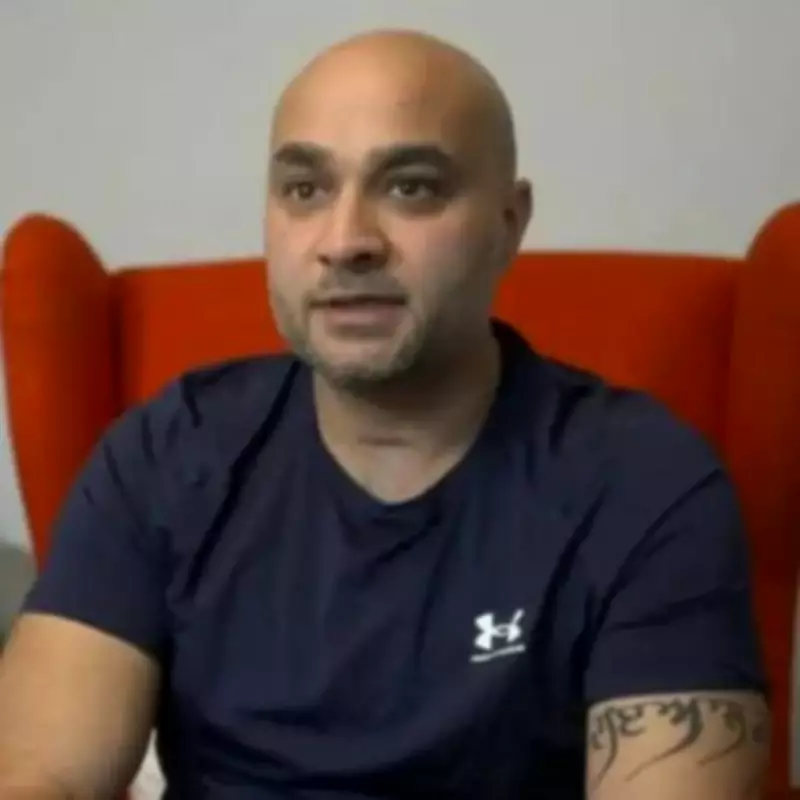
A Birmingham father-of-three has shared his extraordinary story of being clinically dead for 45 minutes before being revived through groundbreaking medical intervention at Birmingham City Hospital.
Sarbjit Singh, aged 44 from Great Barr, experienced a life-altering event in November 2020 that transformed his perspective on existence. After contracting coronavirus, he suffered multiple cardiac arrests while in hospital care, leading to what medical professionals describe as clinical death for three-quarters of an hour.
The Harrowing Medical Emergency
In the early hours of November 26, 2020, Sarbjit began experiencing severe chest pains. His wife Raj Kaur, who was five months pregnant at the time, immediately called for emergency assistance. What followed was a medical crisis of extraordinary proportions.

Sarbjit went into cardiac arrest not once, but four separate times during his hospital stay. Medical teams worked tirelessly using conventional resuscitation methods, but after 45 minutes of unsuccessful efforts, they were preparing to declare his death.
"I have no clue where I was during those 45 minutes," Sarbjit revealed in an interview. "All I know is that for three-quarters of an hour, my children didn't have a father. That realization remains the most terrifying aspect of this entire experience."
Groundbreaking Medical Intervention
Just as medical staff were about to cease resuscitation efforts, cardiologist Dr. Arijit Ghosh proposed an extreme, innovative technique he had recently studied. The procedure, known as double sequential external defibrillation, involves using two defibrillators simultaneously - one placed on the patient's chest and another on their back - delivering maximum-dose electrical shocks in rapid succession.
This unconventional approach, described by hospital officials as a "last resort" measure, proved successful where traditional methods had failed. The medical team's persistence in maintaining oxygen flow to Sarbjit's brain during the extended resuscitation attempt proved crucial to his eventual recovery.
"I couldn't believe what he did for me," Sarbjit said of Dr. Ghosh's intervention. "The medical team's dedication and innovative thinking literally brought me back from the brink."
Long Road to Recovery
Following his revival, Sarbjit faced significant medical challenges. He underwent emergency surgery to remove a blood clot and was placed in an induced coma due to substantial organ damage sustained during the prolonged cardiac arrest. Doctors initially warned that he might never walk again, potentially requiring wheelchair assistance for the remainder of his life.
His wife Raj had been forced to discuss performing his last rites during the crisis, making his survival and subsequent recovery all the more miraculous to the family. In what they describe as a second miracle, Sarbjit eventually regained his ability to walk through determined rehabilitation efforts.
"I looked at my legs and told myself, 'you're going to walk toward your children,'" Sarbjit explained. "That determination became my driving force throughout the recovery process."
Transformed Perspective on Life
Now serving as a health and wellbeing officer, Sarbjit approaches life with renewed appreciation and vigor. His near-death experience has fundamentally altered his outlook, with everyday moments taking on heightened significance.
"Every moment for me is intensified - life feels truly amazing," he shared. "I've witnessed firsthand both the vulnerability and remarkable resilience of the human body. This experience has left me feeling more empowered than ever before, with profound appreciation for breath, life, and every heartbeat."
His recovery has been so substantial that in 2023, he trained for and participated in the Wolf Run, an endurance obstacle course race held in Warwickshire - a remarkable achievement for someone once told he might never walk again.

Medical Community Response
Dr. Mark Anderson, chief medical officer at Sandwell and West Birmingham Hospitals, commented on the extraordinary case: "We are pleased that Sarb has recovered following his cardiac arrest in November 2020 and continue to wish him well. This outcome stands as a tribute to the efforts of our resuscitation team, who maintained oxygen to his brain during extended efforts to restart his heart."
The hospital noted that the double defibrillation technique had been employed as an absolute last resort in this specific case to preserve life. Birmingham City Hospital, where the treatment occurred, has since ceased operations, but Sarbjit's story continues to inspire both medical professionals and those facing health challenges.
Sarbjit's family describes his survival as nothing short of miraculous, grateful that he lived to celebrate his 40th birthday and witness the arrival of his third child. His journey from clinical death to completing endurance races serves as a powerful testament to both medical innovation and human resilience.