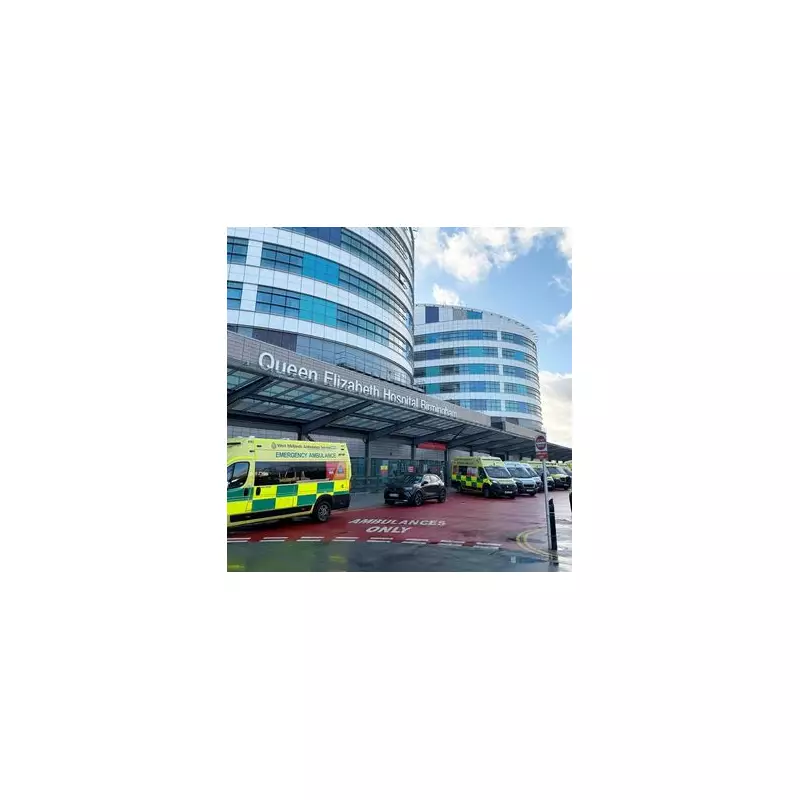
Hospitals across Birmingham and the West Midlands are facing intense strain following a dramatic post-festive surge in winter viruses, leading to the declaration of critical incidents at major NHS trusts.
Critical Incidents Declared Amid Overcrowded Wards
University Hospitals Birmingham (UHB), which runs the Queen Elizabeth, Heartlands, and Good Hope sites, has activated its highest level of internal alert. This critical incident was called in response to what the trust describes as "exceptional" numbers of patients arriving with symptoms of flu and norovirus.
The situation is mirrored at the University Hospitals of North Midlands, covering Stoke and Stafford, which is also under "sustained pressure" and has declared its own critical incident. The pressure is being worsened by high levels of staff sickness, caused by the same circulating bugs.

Data Reveals Sharp Post-Christmas Increase
Official NHS figures for the Midlands region show a worrying trend. Hospital admissions for seasonal viruses jumped by approximately 6 per cent in the first week of January 2026. Health officials point to a combination of factors driving this spike:
- Increased social mixing over the Christmas and New Year period.
- A significant recent cold snap.
- The prevalence of specific virulent strains, including the H3N2 "super flu."
Current bed occupancy across the Midlands is hovering around 92%, with emergency departments at UHB reported as "overcrowded."
Hospitals Implement Emergency Measures
To manage the unprecedented demand, hospitals have been forced to introduce a series of contingency plans. Several trusts in the region have now reintroduced mandatory mask-wearing in all clinical areas to try and curb the spread of infection.
In a bid to protect emergency care for the most seriously ill, some hospitals are actively redirecting patients with non-urgent conditions to alternative services. The public is being urged to contact NHS 111 or visit local pharmacies for advice instead of going to A&E where possible.
The UK Health Security Agency notes that norovirus rates are currently highest in the over-65 age group. Key public health advice for Birmingham residents is to avoid visiting hospitals for at least 48 hours after their last symptom has disappeared, a crucial step to prevent further ward closures.