Woman's Terrifying Cancer Misdiagnosis Highlights 'Invisible' Disease Crisis
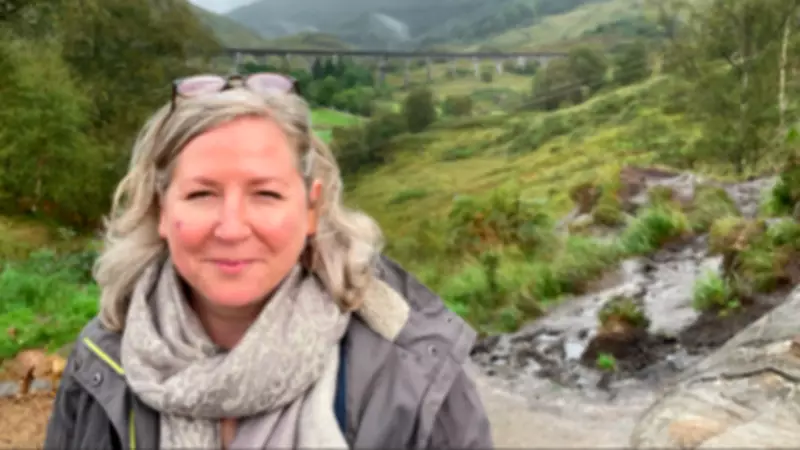
When Melanie Lucas discovered a note on her NHS application stating she had only months to live, the 50-year-old Somerset resident began preparing for the end. Convinced she wouldn't survive to see winter, she started listing her summer clothes on Vinted, facing what she believed was imminent death from advanced lung cancer.
The Cough That Changed Everything
Melanie's terrifying medical journey began with what seemed like a simple, persistent cough. "I had a dry, unproductive cough — a present from a house guest!" she recalls. "After a couple of weeks, the cough hadn't gone, even though I had felt fine throughout. It was now making my chest feel tight, and I was worried it might be post-COVID related."
Initially reassured by her GP that there was nothing to worry about, Melanie eventually pushed for an X-ray to ease her growing anxiety. The results appeared devastating: images suggested advanced lung cancer, leading to the heartbreaking prognosis she discovered online.

A Shocking Diagnostic Twist
Following a biopsy, a specialist delivered unexpected news with a puzzled expression. "The lovely radiologist told me, with a puzzled look on his face, 'it is something, but I don't think it's lung cancer'," Melanie explains.
A week later, the crucial phone call came. "We're relieved to be telling you it's not lung cancer. It is cancer, but it's not lung cancer. What you have is Neuroendocrine cancer in your lung. Honestly, we don't know much about it at all, so we're going to get you to a specialist, but what we have been told to tell you is it's really slow growing."
While this meant Melanie had more time than initially feared, the damage was already substantial. The cancer had likely been growing undetected for seven to ten years and had already spread to her lung lining and diaphragm, making surgical removal impossible.
The 'Invisible' Cancer Hiding in Plain Sight
Melanie represents one of thousands affected by what charity Neuroendocrine Cancer UK (NCUK) terms 'the invisible cancer'. A new report reveals alarming statistics about this complex disease:
- Average diagnosis delay of 4.5 years
- One diagnosis every 90 minutes in the UK
- Over 6,000 people diagnosed annually
- Cases in England increased by 371% between 1995 and 2018
The symptoms frequently mimic common conditions like irritable bowel syndrome (IBS), asthma, anxiety, and menopause, leading to dangerous diagnostic delays. Sixteen percent of patients visit their GP more than ten times before receiving a correct diagnosis, and over half are only diagnosed at Stages 3 or 4, severely limiting treatment options.
Lessons from a High-Profile Case
The confusion surrounding neuroendocrine cancer extends beyond GP surgeries to global awareness. Apple founder Steve Jobs died from a form of this disease, though it's often inaccurately reported as typical pancreatic cancer.
Jobs actually had a pancreatic neuroendocrine tumour (pNET), a slow-growing variant distinct from the more common and aggressive pancreatic ductal adenocarcinoma. NCUK is leveraging his story to help 'make the invisible, visible' and ensure patients receive appropriate specialist care.
Living with a Life-Limiting Condition
For patients like Melanie, the battle continues long after diagnosis, becoming a daily exercise in symptom management. She now relies on hormone treatments to stabilize the 5.4cm tumour in her lung, but the physical toll has forced her to abandon her career as a gardener.
"Every single day is different," Melanie explains. "I have quite a bit of nerve pain, which 'may or may not be linked to the cancer' but causes intense, sporadic pain along my side, neck, shoulder and arm. Sneezing hurts. A lot. And needs preparation — a wall or tree trunk to lean against really helps."
Beyond physical discomfort, patients face significant emotional burdens including financial instability and fear of the unknown. "The fear of not knowing how long I have to live and what might come next is one of the hardest things we live with," she admits.

Urgent Calls for Systemic Change
As Rare Disease Day approaches on February 28, NCUK is demanding major reforms in how these cancers are recognized and treated. The charity argues that inconsistent referral pathways mean too many patients miss out on specialist care that could save or extend their lives.
"I don't think it is the fault of anyone in any workplace, but companies and organisations are just not geared up for having someone living with cancer," Melanie adds. "The expectation is that you'll hopefully have treatment, some time off and be back to work within three to six months. That's just not (often) the case with NETs."
The organization emphasizes that improved awareness among healthcare professionals, streamlined diagnostic pathways, and better support systems for patients living with chronic cancer conditions are urgently needed to address this growing healthcare challenge.