Coroner Issues Urgent Warning Over Blood Thinner Apixaban After Man's Death
A coroner has issued an urgent warning about a widely prescribed heart medication after the tragic death of a healthy 64-year-old man. Clive Hyman, who was described as fit and active, suddenly died last year following a minor fall on marble steps in Bucharest, Romania.
Details of the Tragic Incident
Despite initially feeling "fine" after his fall, Clive Hyman passed away within nine days after experiencing a bleed on his brain. He had been taking the blood thinner apixaban following previous heart problems. The medication, which works by thinning the blood to prevent clots, carries a known risk of increased bleeding as a common side effect.
In some cases, this can lead to dangerous bleeding in the brain after head trauma, even from seemingly minor incidents. At an inquest held last month at Poplar Coroner's Court, Assistant Coroner Sarah Bourke made a crucial discovery about the medication's safety information.

Missing Safety Information in Drug Leaflets
The coroner found that patient information leaflets for apixaban gave no specific advice about what steps to take if someone sustains a head injury while taking the medication. In her prevention of future deaths report, Bourke stated: "None of the patient information leaflets that I reviewed expressly addressed the steps to be taken by a patient if they sustain trauma to the head."
She continued with a grave warning: "In my opinion there is a risk that future deaths could occur unless action is taken." The coroner explained that patients who experience head trauma may not realize they have sustained an intracranial bleed, and because head injuries can be asymptomatic for some time following trauma, apixaban users might continue taking their medication and avoid seeking medical advice simply because they feel well.
The Dangerous Consequences
As a result of continuing to take apixaban after head trauma, bleeding may persist and worsen. By the time symptoms of a brain injury emerge—such as a sudden, severe headache—the patient may already be critically ill with reduced potential for recovery. This creates a dangerous gap in patient awareness and medical guidance that the coroner believes must be addressed immediately.
Family's Heartbreaking Account
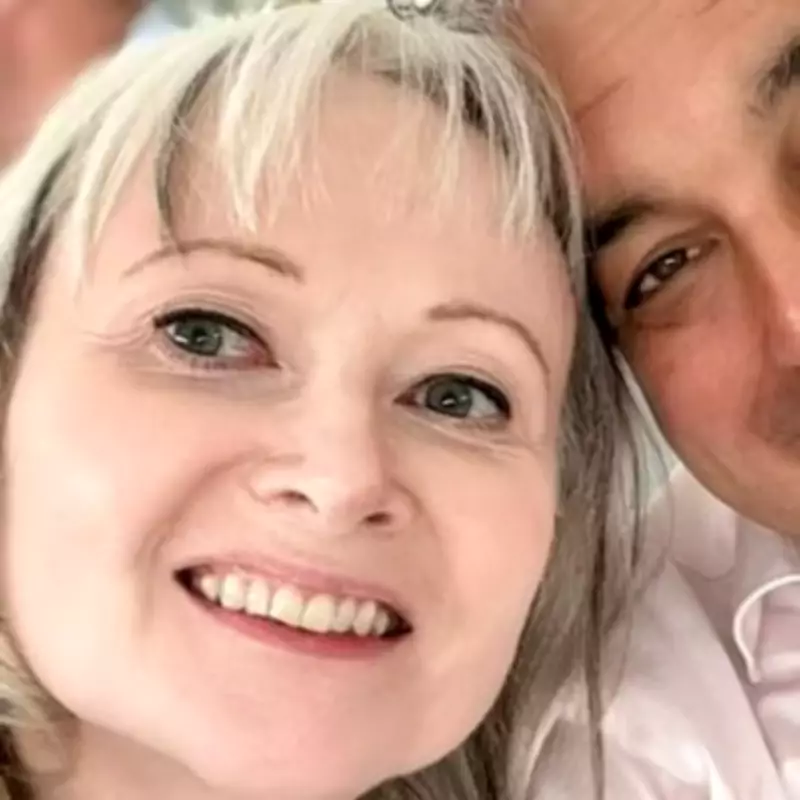
Clive's widow, Rachel, shared her devastating experience, stating: "It just doesn't make any sense to me. All the surgeons knew about the risk, but the cardiac people didn't make us aware. Nobody told us." She believes her husband could have been saved with proper warning, adding: "Clive should and could have been saved. I have the extra trauma and burden that he should be alive. That is very hard to deal with. It should not have happened."
Rachel described her husband as a health-conscious individual who went to the gym five times a week and maintained a very healthy diet. She emphasized: "I can say with 100 percent certainty that had we known a fall to the head could cause this we would have gone to the hospital."
The grieving widow revealed that her husband was not the only victim, noting that the coroner mentioned seeing similar cases in her court before. Rachel warned: "It is probably happening to people right now who were not made aware of this."
A Life Cut Short
Remembering her husband, Rachel said: "Clive was really wonderful. He was very bright. He was a really kind and lovely person. He treated everybody the same and did things because he cared for people. He wanted to live, he was finally happy in his life. We were really happy together and it is a real tragedy that he is not here. He was the love of my life."
She described the ongoing impact of her loss: "It is absolutely horrendous. There are no good days. My life stopped. My plans all changed. I thought we would get a good 20 years together."
Urgent Call for Awareness and Change
Rachel has become an advocate for change, stating: "I want to make people aware so that it won't happen to other people. If you have a fall on blood thinners, even if you feel fine, just go to the hospital. They should be changing the advice."

The coroner's report represents a significant warning about medication safety protocols and the critical need for clearer patient guidance regarding potential risks associated with blood thinners like apixaban. Thousands of patients currently take this medication, making this warning particularly urgent and relevant to public health.