Midlands Grandfather Feels He Is 'Disappearing' Following Alzheimer's Diagnosis
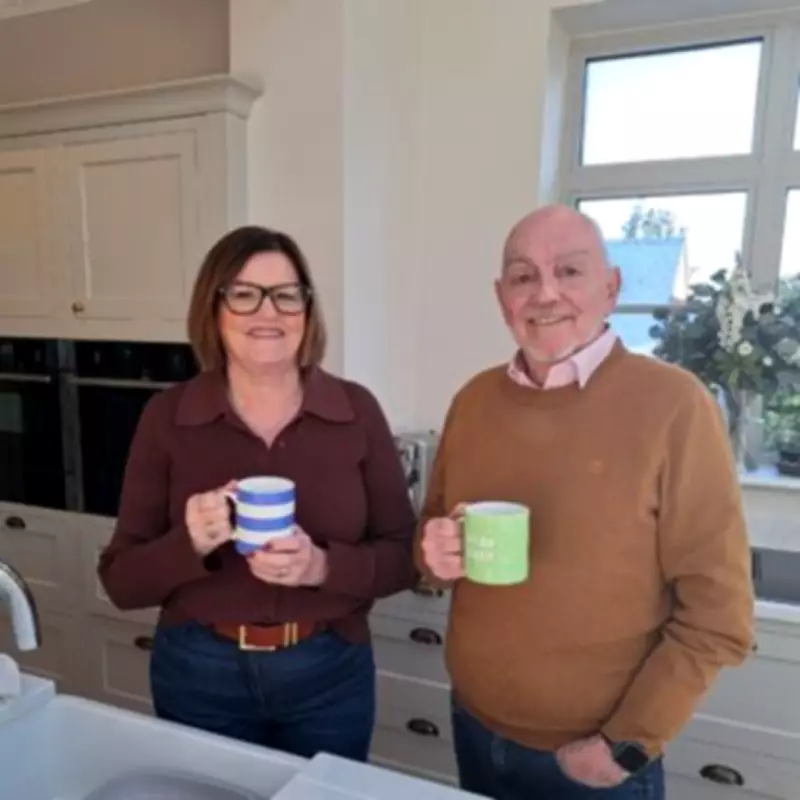
A retired salesman from the Midlands has described feeling like he is 'disappearing' after receiving a life-changing Alzheimer's disease diagnosis. Alan Cope, aged 69, is now participating in a pioneering new study led by the Universities of Oxford and Cambridge, which aims to revolutionize dementia detection through innovative blood testing methods.
Family History and Personal Struggle
Alan's connection to Alzheimer's is deeply personal and heartbreaking. He has witnessed his 99-year-old mother suffer from the disease, along with three of his uncles. This family history made his own diagnosis in October 2022 particularly devastating.
His wife Donna, 62, first noticed concerning memory loss about a decade ago, but it took significant time to secure proper testing and diagnosis. The couple, who have two children and four grandchildren, are determined to confront the disease directly.

Groundbreaking Research Initiative
The study, titled 'READ-OUT – REAL world Dementia OUTcomes: Observational Study,' is supported by the National Institute for Health and Care Research (NIHR). This multi-million-pound program also receives backing from Alzheimer's Society, Alzheimer's Research UK, Gates Ventures, and the People's Postcode Lottery.
The primary goal is to introduce blood tests for Alzheimer's diagnosis into the NHS within the next five years, potentially replacing the current standard of brain scans. Researchers believe this approach could make dementia diagnosis more accessible and less stressful for patients nationwide.
Comprehensive Study Objectives
The READ-OUT study has several important objectives beyond just Alzheimer's detection. Researchers will assess how well blood tests work for identifying different types of dementia across diverse populations.
- Examine effectiveness across various ethnic groups
- Test accuracy in people with other health conditions
- Recruit over 3,100 participants from NHS memory clinics
- Include participants from mobile community testing units
Daily Life and Coping Strategies
Despite his diagnosis, Alan maintains an active daily routine to stay mentally and physically engaged. He walks his two Labrador dogs, Arthur and Teddy, and cares for their four ducks and four chickens. His grandchildren play with him regularly and set simple tasks to keep him stimulated.
"I try my best and I look at things that I can do rather than what I can't," Alan explained. "The dogs help me and I feel more comfortable having them with me."
Family Perspective and Support
Donna, who works as a chief financial officer for a dental group, described receiving the diagnosis as "smacked me like a blow to the face." She noted that Alan shows few outward signs of dementia but requires significant support with basic tasks.
"Alan has described it like he is disappearing," Donna shared. "I'm sad and I'm grieving and no one can take the pain away. But he is the best granddad I know and the grandkids adore him."
Research Community Response
Susan Bradbury, Team Leader and Clinical Research Practitioner at MPFT, expressed appreciation for Alan's participation. "It has been a pleasure to involve Alan in this research study as we are aware both him and Donna are passionate about being a part of research in the field of dementia," she said.
Bradbury emphasized that many memory clinic attendees show interest in blood test possibilities for detection. By examining biomarkers from blood samples like those donated by Alan, researchers hope to better understand these tests' usefulness and contribute to national findings.
The couple remains committed to research participation, believing it could help Alan directly or benefit future generations facing similar challenges. Their story highlights both the personal impact of Alzheimer's and the promising advances in medical research that might transform diagnosis and treatment approaches in coming years.