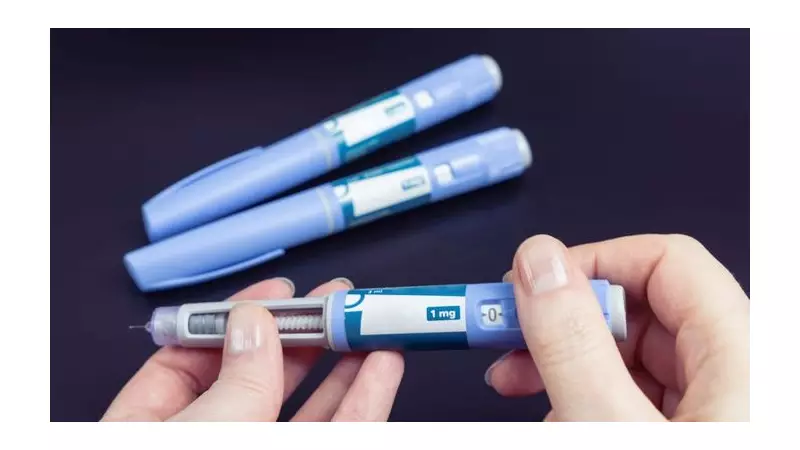
A major new study has delivered a stark warning about the long-term effectiveness of popular weight-loss injections, indicating that many users will see the pounds creep back on after they stop treatment.
The Oxford Study Findings
The University of Oxford analysis, published in the British Medical Journal, scrutinised data from 37 clinical trials involving over 9,000 participants. The research focused on medications such as semaglutide (marketed as Wegovy) and tirzepatide (Mounjaro), which patients typically used for around ten months.
The results were revealing. On average, individuals lost 8.3kg while using the drugs. However, they regained 4.8kg within a single year of stopping. The study projected that most would return to their original weight approximately 1.7 years after their final dose.

Perhaps more concerning, the health benefits linked to the treatment also faded. Improvements in blood sugar control and cholesterol levels frequently disappeared. The research noted that almost all markers of heart health reverted to pre-treatment baselines within about 14 months after cessation.
How the Jabs Work and Why Weight Returns
To understand this rebound effect, we spoke to Dr Elise Dallas, a GP at The London General Practice who runs a specialist weight management clinic. She explained that drugs like Wegovy and Mounjaro mimic a natural gut hormone called GLP-1.
"GLP-1 is a natural hormone within our body, but in its natural form it degrades in seconds," said Dr Dallas. "These medications are a synthetic version designed to last much longer."
The injections work by sending direct signals to the brain to reduce hunger pangs while simultaneously enhancing the feeling of fullness. "It also slows gastric emptying, meaning food leaves your stomach more slowly," Dr Dallas added. This creates a calorie deficit, leading to weight loss and helping to stabilise blood sugar and lower blood pressure.
The Critical Need for Lifestyle Change
Dr Dallas issued a crucial warning about rapid weight loss: it can lead to the loss of essential muscle mass, which is detrimental to long-term metabolism.
"If you lose weight quickly, you can't tell your body to lose only fat and not muscle," she cautioned. She strongly advises patients to adopt 'muscle-saving' habits, including a high-protein diet and consistent strength training, while on the medication.
The expert emphasised that stopping the injections 'cold turkey' is ill-advised. The body's natural appetite tends to return forcefully within eight to twelve weeks. Without the external aid balancing blood sugar, metabolic gains are lost.
"Plan ahead and don't stop suddenly," Dr Dallas recommended. "You've got to taper, whether that be in time or dose. Some people might choose to first go down a dose but still take it every week."
The ultimate goal, she stresses, is to use the treatment period—often around a year and a half—to embed permanent healthy lifestyle changes. The medication should be a tool to help establish these habits, not a standalone solution.
"It's all about making those small changes so that hopefully after a year and a half of taking the medication, people have had enough time to start making these habits into lifelong changes," Dr Dallas concluded.