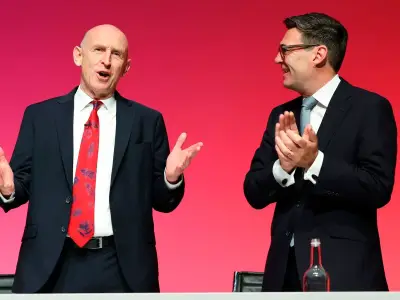
The Intergenerational Foundation has called on Prime Minister Andy Burnham to scrap the state pension triple lock and use the resulting savings to boost support for the least well-off retirees. The think tank argues that replacing the current uprating framework with a more predictable mechanism would be both fiscally sustainable and fairer to younger generations.
Proposal for a New Uprising Mechanism
In its recommendations to the Labour government, the Intergenerational Foundation does not want the savings from scrapping the triple lock to disappear from the pension system. Instead, it proposes channelling a portion of those funds towards the poorest pensioners through a new Low-Income Pension Supplement, available to households already receiving Pension Credit.
The think tank said: “Replace the triple lock with a more stable and sustainable uprating mechanism. IF’s preferred reform is to cap State Pension increases at CPI inflation until 2030-31, and then uprate the State Pension by the average of inflation and earnings thereafter. Redirect some of the savings from triple lock reform towards poorer pensioners. One option would be to introduce a new Low-Income Pension Supplement for households receiving Pension Credit.”
Pension Credit: A Lifeline for 1.4 Million
As it stands, 1.4 million people receive Pension Credit, a means-tested benefit designed to top up the income of older people on low incomes. There are two elements: Guarantee Credit and Savings Credit. Guarantee Credit is a UK-wide benefit for people of State Pension age and over, providing a weekly amount to help with living costs. By design, this threshold is set just below the value of the full new State Pension.
Pension Credit is a national benefit delivered by the UK government, though administration is devolved in Northern Ireland. The Guarantee Credit element is a lifeline to people in later life most in need of financial support, ensuring they do not have to choose between buying food, keeping lights on, or heating their home.
Who Receives Pension Credit?
Most recipients receive Guarantee Credit, with around a third receiving both Guarantee Credit and Savings Credit, and only a small minority receiving just Savings Credit. The Department for Work and Pensions (DWP) releases statistics on Pension Credit recipients, offering insight into their demographics.
Older people who care for someone else or receive a disability benefit, or both, are more likely to be eligible for Pension Credit. This includes those receiving Carer’s Allowance (including underlying entitlement) or Attendance Allowance. These benefits add a premium to the minimum guaranteed amounts, increasing both the chance of eligibility and the amount received.
Impact of the Proposed Reform
If adopted, the new Low-Income Pension Supplement would target the most vulnerable pensioners, potentially increasing their weekly income beyond the current Pension Credit levels. The Intergenerational Foundation argues that this approach would deliver a more predictable and fiscally sustainable uprating framework, while still protecting those in greatest need.
The proposal comes amid ongoing debate about the affordability of the triple lock, which guarantees that the state pension rises by the highest of inflation, average earnings growth, or 2.5%. Critics argue that this is unsustainable in the long term, while supporters insist it is essential to protect pensioner incomes.
Burnham has not yet responded publicly to the recommendations, but the think tank hopes its proposals will influence the government's forthcoming pension review.