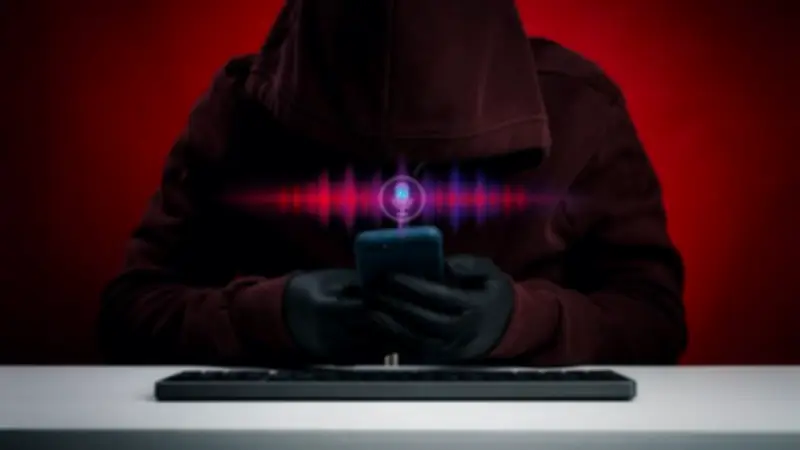
Deepfakes—AI-generated audio, video, or images that mimic real people—are no longer just internet oddities. They are now a common tool in everyday scams, from fake investment pitches and urgent 'grandchild in trouble' calls to bogus customer support, romance fraud, job offers, and phoney product endorsements using a celebrity's likeness. Modern AI tools make it fast and cheap to create convincing fakes, exploiting the trust we place in familiar faces and voices.
How Deepfakes Work and Why They're Dangerous
Scammers use deepfakes to lower your guard. The key is to focus less on 'does this look real?' and more on 'what is this trying to make me do?' If a message pushes you to move money, reveal personal details, or act quickly, pause and verify. According to cybersecurity firm Bitdefender, the emotional urgency and pressure to act fast are often the biggest red flags.
Common Signs of a Deepfake
No single sign is perfect, but several together should raise suspicion. Visual clues include lip movements that don't match words, blurry or odd-looking teeth, stiff or delayed expressions, strange blinking, lifeless gaze, or odd reflections in the eyes. Lighting or shadows that don't match the room, or shimmering edges of the face or objects, especially during movement, are also telltale signs.
Audio clues can include a voice that sounds flat, robotic, breathless, or emotionally off. Repeated phrases, awkward interruptions, or refusal to engage in small talk—particularly avoiding personal or specific questions—are common. Added background noise may be used to hide imperfections in the AI-generated voice.
Context and Behavioural Red Flags
Beyond technical clues, context matters. If you feel pressured to act fast—due to an urgent need, family emergency, limited-time offer, or threat of losing account access—proceed with caution. Requests for secrecy or to keep others out of the loop are also suspicious. Demands for payment via wire, crypto, gift cards, or unusual methods are major red flags, as are requests to click strange links or download unknown files. Scammers may try to move you from a public site to private messaging where there's less oversight.
Smart Checks to Avoid Being Caught Out
Many scams succeed because they don't give victims time to think. To mitigate risk:
- Slow down—scammers rely on speed. If something feels off, take a breath and step back.
- Verify through a channel you already trust—hang up and call back using a number saved in your contacts or printed on a card or bill.
- Double-check the claim—look for the same announcement on an official website or verified social media account.
- Test with simple questions—ask something personal or specific that a scammer or cloned voice won't easily know, but don't reveal private information.
- Keep conversations where they started—be cautious if someone insists on switching to a private app or asks you not to consult others.
- Set a private 'safe phrase' for real emergencies—if an urgent call comes in, ask for the phrase.
- Search for key phrases or screenshots—suspicious media may appear elsewhere in different contexts.
- Use two-factor authentication (2FA) on important accounts so a scammer can't break in with just a password.
Key Questions to Ask Yourself
Before you send money, share codes, or click a link, ask:
- Is this pushing me to act fast or keep a secret?
- Is the request for money, passwords, or one-time codes?
- Can I confirm this using a number, website, or contact I already know?
- Does the account or profile look new, thin, or inconsistent?
- Do the audio/visual details feel slightly 'off'?
If the answer to any is yes, proceed with extreme caution and take the steps above.
What to Do If You Think You've Been Caught Out
If you suspect a deepfake, stop engaging. Don't send money or information. Try to verify the story through a trusted channel or contact directly. If you can't verify the request or action as genuine, report the account or content on the platform where you found it. If you shared financial details or made a payment, contact your bank immediately and explain what happened.
The bottom line: your eyes and ears can be fooled, but your common sense is harder to trick. Treat surprising videos, livestreams, and voice messages like you would a suspicious email: pause, question, and verify elsewhere—especially if money, accounts, or personal data are involved.