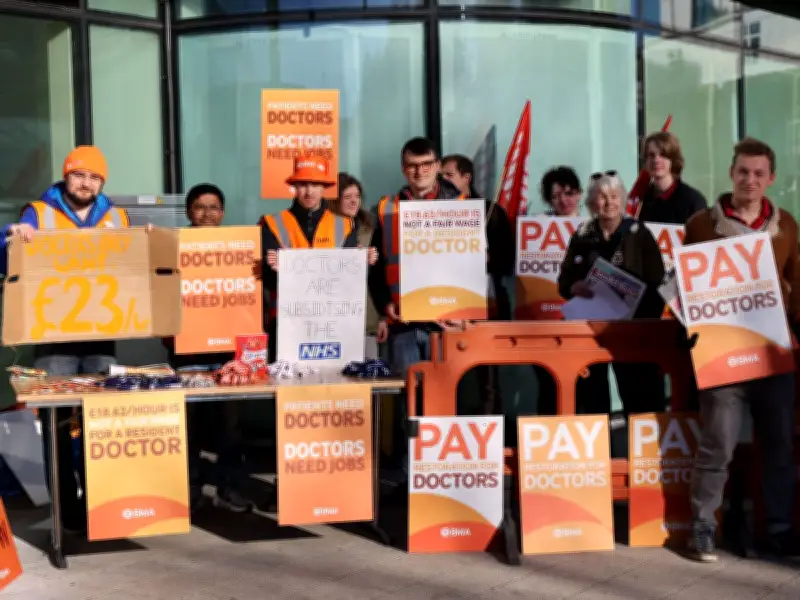
Mental health providers in Birmingham have confirmed they are "working together" to safeguard the wellbeing of patients during fresh strike action by resident doctors. The industrial action is scheduled from 7am on Monday, June 15, to 7am on Friday, June 19, as part of an ongoing national dispute over pay and conditions.
What the Strike Means for Patients
Birmingham and Solihull Mental Health NHS Foundation Trust has warned that doctors still working during the period may be unable to attend non-essential meetings, and some clinics have been cancelled. However, the trust emphasised that alternative arrangements are in place, with gaps in cover being filled throughout the strike days.
The trust stated: "The strike will take place across the healthcare system, impacting work in general acute hospitals, including A&E – which will affect liaison services and referrals into A&E. During this time, our consultants, SAS doctors, and residential doctors who are not taking industrial action will remain in work. They will be covering many gaps during the working day and out of hours and are unlikely to be able to attend routine, non-essential meetings. Where necessary, we have cancelled clinics and ensured alternative arrangements are in place for those service users affected. Out of hours, we have arrangements in place to provide cover through a system of backup doctors."
How to Access Mental Health Support
People can contact the trust via its switchboard on 0121 301 0000. Individuals of all ages in England can access 24/7 local mental health crisis services directly by calling 111 and selecting the mental health option. In Birmingham and Solihull, those already receiving mental health care are advised to continue contacting their existing service. Contact telephone numbers can be found in care plans and treatment plan letters. People known to community mental health teams can reach them directly on the usual phone number or the out-of-hours number.
The trust expressed gratitude to all colleagues for supporting the right to take industrial action while working together to ensure the ongoing safety and wellbeing of patients and service users, both on wards and in the community.