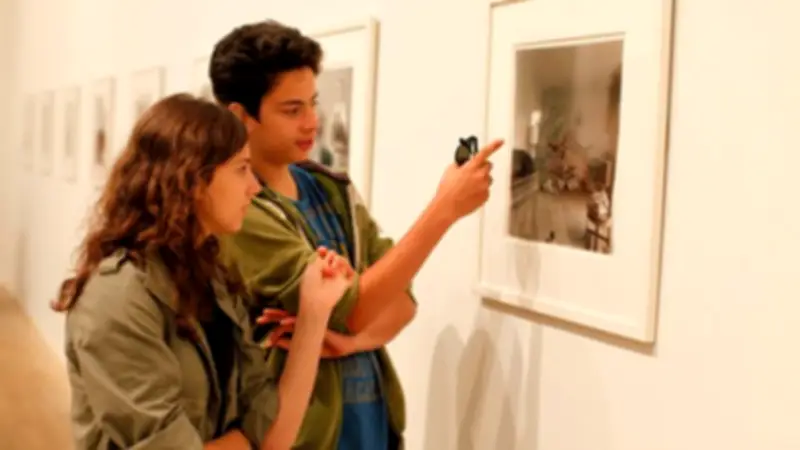
If the thought of hitting the gym fills you with dread, scientists have some fantastic news – an afternoon at the museum or a night at the cinema could be just as effective at keeping you young. A new study has revealed that regularly engaging with arts and culture has a profound impact on how our bodies age. In fact, researchers found that the biological benefits of enjoying a show, browsing an art gallery, or losing yourself in a concert are entirely 'comparable' to frequent physical exercise.
Cultural Outings Reduce Biological Age by Three Years
Crucially, you don’t need to be a daily culture vulture to reap the rewards. The experts discovered that older adults who enjoyed just one cultural outing every few months knocked an average of three years off their biological age compared to those who stayed at home. This striking link between the arts and longevity was uncovered by a study published in the Journal of Epidemiology and Community Health.
Study Analyzed Nearly 2,000 Adults Over 50
Researchers analysed data from nearly 2,000 people over the age of 50 participating in the English Longitudinal Study of Ageing, tracking exactly how these lifestyle habits impacted the physical body. Participants completed detailed questionnaires tracking how often they attended the cinema, theatre, concerts, opera, museums, or art galleries to create a 'cultural engagement score'. To see how these habits truly affected their bodies, nurses then measured 10 distinct physiological markers, including body mass index (BMI), grip strength, walking speed, and blood pressure.
Physiological Age Three Years Younger
The physical data painted a clear picture, writes Neil Shaw from Plymouth Live. Those who engaged with the arts every few months had an average physiological age of 66.9 years – a full three years younger than peers who rarely participated in cultural activities. The study also noted that those with the highest cultural scores were more likely to be women, still in paid employment, and already enjoying generally better health conditions.
Researchers Urge Greater Access to Arts and Culture
Because cultural engagement is something anyone can alter or increase, researchers are urging communities to make arts and culture far more accessible. “Promoting engagement with culture could be a promising strategy to slow the pace of physiological ageing and support healthy ageing in older adults,” the researchers concluded. To make this a reality, the report suggests that expanding geographical and financial access to museums, galleries, and shows is key. Local, community-based cultural events could prove incredibly effective, particularly in tackling loneliness.
Museum Scheme Boosts Emotional Well-Being
As an example, the researchers highlighted the success of a 10-week museum scheme that combined curator talks, object handling, and arts activities. The programme massively boosted emotional well-being, fostering feelings of cheerfulness and encouragement among socially isolated older adults.