The second week of May each year is Mental Health Awareness Week, a dedicated time to focus on mental health, whether you are facing personal challenges, supporting a loved one, or simply seeking to learn more. The Wildlife Trust for Lancashire, Manchester and North Merseyside has a dedicated team committed to enhancing mental health and wellbeing through nature connection. They care for over 40 nature reserves across the region, providing safe green spaces where individuals can find respite from daily pressures. Additionally, they offer free Nature and Wellbeing sessions, which are welcoming and friendly environments where participants can engage with nature in their own way.
The results are compelling, with many group members reporting lasting positive changes. Interestingly, these benefits extend beyond participants. The concept of 'helpers high' is similar to 'runners high'—the act of helping others triggers a mental boost. This year's theme for Mental Health Awareness Week is 'Take Action,' encouraging everyone to take steps to improve their mental health and support others. Doing so can create a two-for-one benefit: helping others while boosting your own wellbeing.
Scientific research supports this. Studies show that altruistic actions can reduce loneliness, anxiety, depression, and stress, while improving immune function and even increasing life expectancy. These effects are linked to hormonal changes: the release of oxytocin (the 'love' hormone) and dopamine (the 'feel good' hormone), along with reduced cortisol (the stress hormone). This biological combination promotes feelings of wellbeing.
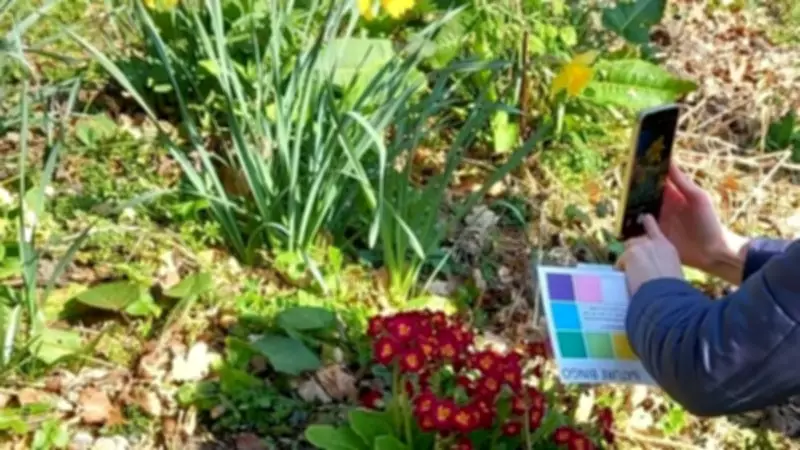
However, the suggestion to volunteer can sometimes feel overwhelming. Fortunately, there are simple ways to help others and experience a helpers high, especially when combined with nature. For example, invite a friend for a walk, even if it is just through a park or on the school run. Participate in No Mow May by leaving your lawnmower in the shed and observing the wildflowers and wildlife that appear. Use the iNaturalist app to identify and record nature around you, contributing to vital databases.
If you or someone you know is experiencing low mental health, consider joining the Nature and Wellbeing sessions. These take place across Greater Manchester and beyond, including at the Chai Centre in Burnley, Phillips Park in Whitefield, Rock Hall in Moses Gate Country Park in Bolton, Heaton Park in Prestwich, and many more. For details, visit www.lancswt.org.uk/our-work/projects/wellbeing-service, email natureandwellbeing@lancswt.org.uk, or call 01772 872007 or 07738 102274.
This article was written by Jenny Bennion for The Wildlife Trust for Lancashire, Manchester and North Merseyside. To become a member, visit www.lancswt.org.uk or call 01772 324129. For Cheshire Wildlife Trust, call 01948 820728 or visit www.cheshirewildlifetrust.org.uk.