Birkenhead Mother's Tragic Death Reveals Missed Heart Condition Clue on Her Phone
Tracey McGrann, a 54-year-old mother from Birkenhead, was tragically discovered dead in her bed by her 16-year-old daughter Alisha on May 26, 2024. This devastating event occurred just four months after the teenager's father died from severe pneumonia, plunging the family into further grief.
Hospital Visit and Discharge Before the Tragedy
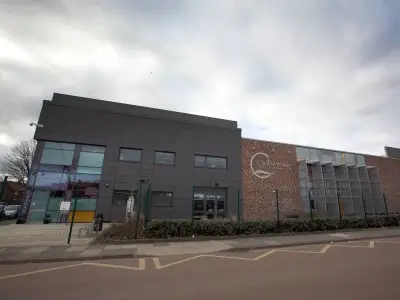
In February 2024, Tracey visited her GP at St Catherine’s Health Centre complaining of chest pains. She underwent an electrocardiogram (ECG), and days later received a text message urging her to go to A&E immediately, regardless of symptoms. She attended Arrowe Park Hospital with a friend that same day.
Her daughter Leah, 25, explained, "My mum was someone who was scared of dying and terrified of hospitals, so for her to pluck up the courage and go was huge." Tracey took a picture of her ECG results on her phone in the emergency department before being discharged, believing she was fine.
Discovery of Critical Evidence on Her Phone
An inquest later concluded Tracey died from ischemic heart disease (IHD), which causes narrowing of the arteries. The coroner stated that an ECG would not detect IHD unless symptoms were present during the test. However, Leah later noticed a "memory" pop-up on her mother's old iPhone, showing the ECG photo from February 9, 2024.
The image revealed the reading: "moderate T-wave abnormality, consider anterior ischemia." Leah said, "I feel like my mum was watching over me and she sent that memory to me so that I would see it." She confirmed the date matched the text from her GP instructing A&E attendance.
Family's Struggle and Ongoing Negligence Case
Leah, who was 23 at the time, took custody of her grieving teen sister, moving into her mother's house to care for her sibling and her own young children, aged three and five. She was forced to give up her job as a bar manager due to the loss of childcare.
"This has had a complete domino effect on her children’s and grandchildren’s lives," Leah said. "I haven’t had time to grieve." She contacted Rachel Donovan, a senior medical negligence solicitor at JF Law, leading to a meeting with Wirral University Teaching Hospital NHS Foundation Trust directors.
Hospital Trust's Admission and National Context
During the meeting, the trust acknowledged the ECG should have been signed electronically but lacked a signature. Leah reported, "They explained that they don’t keep copies of ECG results so there was no paper trail. The only way this was caught was because my mum took a photo." One director stated that if he had been on duty, Tracey would have been admitted to cardiology.
Leah's case is ongoing. Her solicitor Rachel Donovan said, "The tragedy about this case is that it was so preventable. Tracey did everything right." A trust spokesperson emphasized their commitment to patient safety and learning from incidents.
Alarming National Misdiagnosis Claims Data
New figures from Freedom of Information requests by Medical Negligence Assist reveal that NHS trusts in England have paid out over £1.2 billion in misdiagnosis-related negligence claims from 2019/20 to 2024/25. Nearly 10,000 claims were lodged, with 7,500 settled, averaging £164,886 per successful claimant.
Claims surged to a six-year high of 1,922 in 2024/25, highlighting a growing concern in healthcare diagnostics. The financial breakdown shows increasing payouts, with £265,929,667 in the latest year alone.