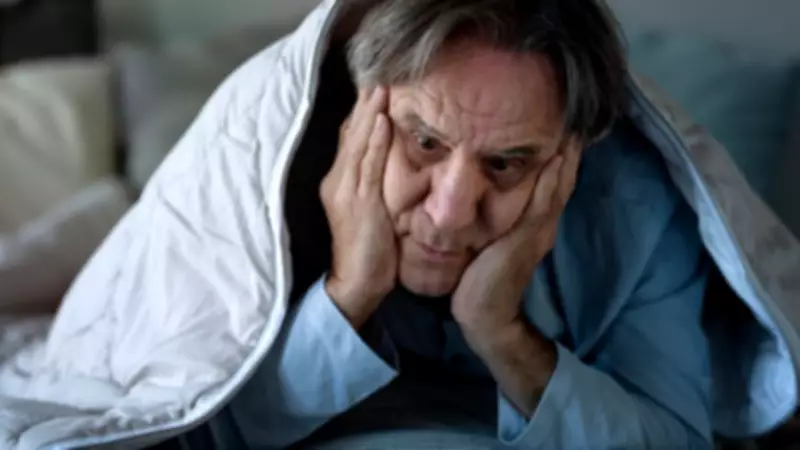
Sleep Experts Challenge Ageing Myths: Quality Rest Is Not Inevitable
Getting older frequently feels like a series of compromises, and many individuals discover their peaceful nights are the initial casualty. According to the British Geriatrics Society, a remarkable 40% of people aged over 65 battle with insomnia, while 75% contend with some type of nightly disturbance. However, as we approach World Sleep Day on March 13, there is an encouraging perspective to consider. While our bodies undoubtedly transform, specialists maintain that a slide toward exhaustion and fragmented rest is not an obligatory component of the ageing journey. Comprehending why these alterations occur is the primary step toward reclaiming your vitality and wellbeing. By tackling the 'vulnerabilities' that accompany later life, you can sustain the high-quality sleep you rightfully deserve.
Debunking the Normalcy Myth
"Fundamentally, your sleep doesn't have to change in your 60s or 70s, but circumstances tend to create a lot more vulnerability around that ageing point," elucidates Professor Jason Ellis, director of the Northumbria Centre for Sleep Research at Northumbria University.
He further states: "A lot of the challenge we have for older adults is they're being taught this is normal – 'Oh, it's normal that you shouldn't sleep well, just as it's normal you should have aches and pains'. That's not true. The vulnerability is there, but it's not a fait accompli. It doesn't mean that every older adult shouldn't have good sleep."
Lisa Artis, deputy CEO of The Sleep Charity, concurs: "It's important to stress that poor sleep is not an inevitable part of ageing. While sleep patterns change, persistent sleep difficulties shouldn't simply be accepted as 'just getting older.'"
The Science Behind Sleep Changes
Our internal chemistry commences a gradual transformation long before we attain retirement age. Professor Ellis highlights that melatonin, the hormone that signals our brain it is time for bed, begins to diminish as early as puberty.
- Sleep architecture: By age 25, we start forfeiting the deep, restorative 'slow-wave' sleep that mends the body.
- Physical changes: Weight gain can precipitate breathing issues like apnoea, while the menopause substantially disrupts sleep through hormonal loss.
- Circadian rhythms: Numerous older adults encounter a 'phase advance', feeling fatigued earlier in the evening and awakening at dawn.
"Older adults often feel sleepy earlier in the evening and wake earlier in the morning," Artis clarifies. "This is sometimes referred to as a 'phase advance' in sleep timing."
Why Nighttime Awakenings Increase
As the quantity of deep sleep reduces, we expend more time in 'light' stages where the surrounding environment becomes more intrusive. This renders it considerably easier to be jolted awake by a passing vehicle, a stray light, or minor physical discomforts.
"As we get older, we tend to spend less time in deep, restorative sleep and more time in lighter sleep stages," says Artis. "This means we're more easily disturbed by noise, light or physical discomfort, and many people also find they wake more frequently during the night and may struggle to get back to sleep."
The Retirement Trap
Stepping away from the nine-to-five routine can be delightful, but the absence of a rigid schedule often devastates our internal clocks. Without the 'anchor points' of a working day—such as fixed mealtimes and commute periods—our sleep can become splintered into naps.
"Losing those patterns can make the system more vulnerable to being more flexible about getting bouts of sleep here and there, rather than in one big chunk," Ellis notes.
When to Seek Professional Assistance
If you sense that your lack of rest is affecting your mood or daily performance, it is time to consult a professional. Contemporary medicine has shifted away from merely 'dispensing' pills, choosing instead more sustainable resolutions.
"There are lots of therapies out there, and they're not all reliant on medication," Ellis underscores. "It's working out what the problem might be, and then tailoring that to the solution to try to maintain a better sleep health framework."