The Department for Work and Pensions (DWP) will make early benefit payments to millions of pensioners on Friday, August 28, ahead of the August bank holiday. Payments normally due on Monday, August 31 will be brought forward to the preceding Friday, ensuring that basic State Pension recipients receive their approximately £740 four-weekly payment without delay.
The move is designed to provide families, pensioners, and carers with greater financial certainty during a period when the cost of living remains elevated. The early payment arrangement applies across the entire United Kingdom, including Scotland, which follows the same principle despite having different bank holiday dates.
Government confirms early payment schedule
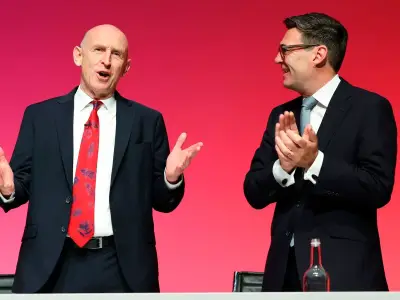
Labour Party Minister for Social Security and Disability, Sir Stephen Timms, confirmed the change. He said the earlier payments would help ensure families and older people receive vital financial support without disruption during the bank holiday weekend.
“This Government is determined to ensure people up and down the country have the support and breathing room they need, which is why we’ve acted to take money off energy bills, increase the National Minimum Wage and lift half a million children out of poverty, as well as supporting people into good, secure jobs,” Timms added.
Which benefits are affected?
The early payment arrangement covers a broad range of benefits, including Universal Credit, State Pension, Personal Independence Payment, Attendance Allowance, Carer’s Allowance, Disability Living Allowance, Income Support, Jobseeker’s Allowance, Pension Credit, Employment Support Allowance, and the Industrial Injuries Compensation Scheme.
Recipients of these benefits will see their payments arrive earlier than the usual scheduled date, avoiding any interruption caused by the bank holiday closure of banking services.
Additional government support measures
Beyond the early payments, the Government is expanding childcare provision and rolling out free breakfast clubs across the country. These initiatives are expected to give parents back up to 95 hours per year and save them £450 annually.
The Government’s Child Poverty Strategy aims to lift 550,000 children out of poverty by 2030 through measures including free school meals and expanded childcare. A £1 billion Crisis and Resilience Fund will also provide a safety net to prevent families from falling into crisis, giving local authorities funding and flexibility to design support for their communities.
Additionally, the Government will cut £150 from energy bills for the years ahead as part of its efforts to address the rising cost of living.