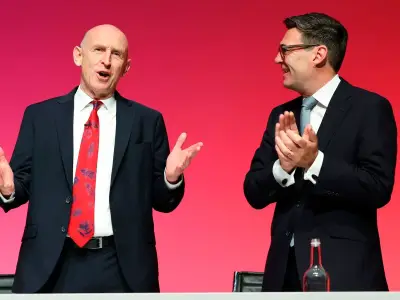
Andy Burnham has announced a major crackdown on Personal Independence Payment (PIP) benefits, specifically targeting three mental health conditions: depression, anxiety, and attention deficit hyperactivity disorder (ADHD). The Labour MP and former mayor stated he will make it harder to claim benefits, vowing to “get really serious” about cutting the welfare bill. This move has already ignited tensions within his own party, with Labour MPs warning of a rebellion.
Mental Health Conditions in the Spotlight
Burnham’s masterplan to reform welfare focuses on mental health, which accounts for a significant portion of PIP claims. According to Department for Work and Pensions (DWP) figures, the caseload has reached 4 million, with 1.56 million (39 percent) involving mental health conditions. The Timms Review, commissioned to assess PIP, has filed an interim report concluding that the system is “no longer fit for purpose” and incapable of handling “fluctuating conditions” such as depression, anxiety, or ADHD.
Burnham told BBC Panorama: “It's about changing the nature of the support and making some of the support conditional upon people taking opportunities that are presented in front of them.” He emphasized the need to reduce the welfare bill, but details on how this will be achieved remain sparse. The Independent reports that the focus on mental health in the review indicates that changes around mental health and benefits can be expected.
Timms Review Declares PIP 'No Longer Fit for Purpose'
The Timms Review’s interim findings have been critical of PIP’s ability to assess fluctuating conditions. The review suggests that the system fails to adequately support individuals whose symptoms vary over time, such as those with mental health conditions. This has led to calls for a fundamental redesign of how eligibility is determined.
Burnham’s approach mirrors previous attempts by Keir Starmer to reduce the welfare bill by £5 billion, which sparked a massive rebellion from Labour MPs organized by Burnham supporters, including Louise Haigh. That rebellion ultimately derailed Starmer’s efforts and never recovered. Burnham now faces a similar challenge, as he must navigate opposition from within his own party while pursuing welfare cuts.
Burnham stated: “Whatever political capital I have, I will put in to fixing broken social care and I would not want to leave office without having brought in the substantial change.” This underscores his commitment to overhauling the welfare system, even at the risk of political fallout.
Political Fallout and Opposition Response
The opposition has seized on Burnham’s plans to criticize Labour’s handling of welfare. Helen Whately, the shadow work and pensions secretary, accused people of “abusing and gaming our welfare state”, undermining public trust. She said: “Billions of pounds of taxpayers’ money is lost to benefit fraud each year. People are abusing and gaming our welfare state, and this undermines public trust in it.”
Whately added: “After two years in office, Labour is failing on welfare reform, failing on welfare savings and so far they have been failing to stop welfare fraud too. The Conservatives would take the hard choices Labour are flunking. We will make £23bn of savings and deliver a welfare state that is there for those who genuinely need it.”
The BBC Panorama programme aired on Monday on BBC One and iPlayer, bringing the issue into the public spotlight. As Burnham prepares to unveil his full reform plan, the coming months will likely see heated debate over the future of PIP and the treatment of mental health conditions within the benefits system.