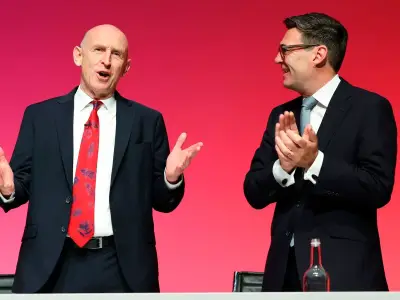
The government's commitment to the triple lock, championed by Andy Burnham, is set to increase state pensions by 4.1 per cent next April, with new figures showing wage growth as the highest of the three metrics.
Data released on Tuesday reveals that average wage growth, including bonuses, stood at 4.1 per cent for the period April to June. This outstrips inflation at 2.6 per cent and the flat 2.5 per cent figure, making it the deciding factor in the annual uprating.
Pension Increases and the Gap
The 4.1 per cent uplift would raise the full new state pension to £13,062 per year and the basic state pension to £10,009 per year, creating a £3,053 difference between the two rates. Pensioners who retired before 2016 and are on the basic rate would receive the lower amount.
Helen Morrissey, head of retirement analysis at Hargreaves Lansdown, said: “Average wage growth plus bonuses stood at 4.1 per cent between April-June. This could prove to be an interesting figure for state pensioners as next month’s data is a key part of the formula for the state pension triple lock.”
Weekly Amounts Explained
Should next month’s figures remain unchanged, someone on the full new state pension would receive around £251.20 per week, up from £241.30. Those on the full basic state pension would see their weekly amount rise from £184.90 to approximately £192.50 from next April.
Morrissey noted that while an inflation-busting increase is welcome, the state pension alone does little more than cover essentials. She emphasised the importance of workplace and personal pensions, pointing out that auto-enrolment has improved pension saving, but minimum contributions may not sustain lifestyles in retirement.
Planning for Retirement
“To prevent a nasty shock, it pays to consider what you want your retirement to look like and then you can calculate how much it might cost,” Morrissey added. She suggested using online calculators from pension providers to model potential income and the impact of increasing contributions.
She also highlighted the value of employer contributions, noting that some businesses offer an ‘employer match’ if employees contribute more. “If you’ve got the extra cash, then the extra boost from your employer can make all the difference to your lifestyle in retirement,” she said.