Veterinary Expert Issues Critical Warning About Six Popular Spring Flowers
A prominent veterinary advisor has issued an urgent warning to UK households regarding six common spring flowers that pose significant toxic risks to pets, particularly dogs, as Mother's Day approaches. Dr Brendan Clarke, chief veterinary advisor at Bella+Duke, has identified lilies, daffodils, bluebells, tulips, hyacinths, and Crocus plants as the primary concerns for pet owners during this floral gift-giving season.
Complete List of Dangerous Flowers and Their Effects
The six flowers identified by veterinary professionals present varying degrees of danger to household pets:
- Lilies: Particularly dangerous to cats, but also harmful to dogs. Dr Clarke advises removing stamens from bouquets to reduce pollen ingestion risk.
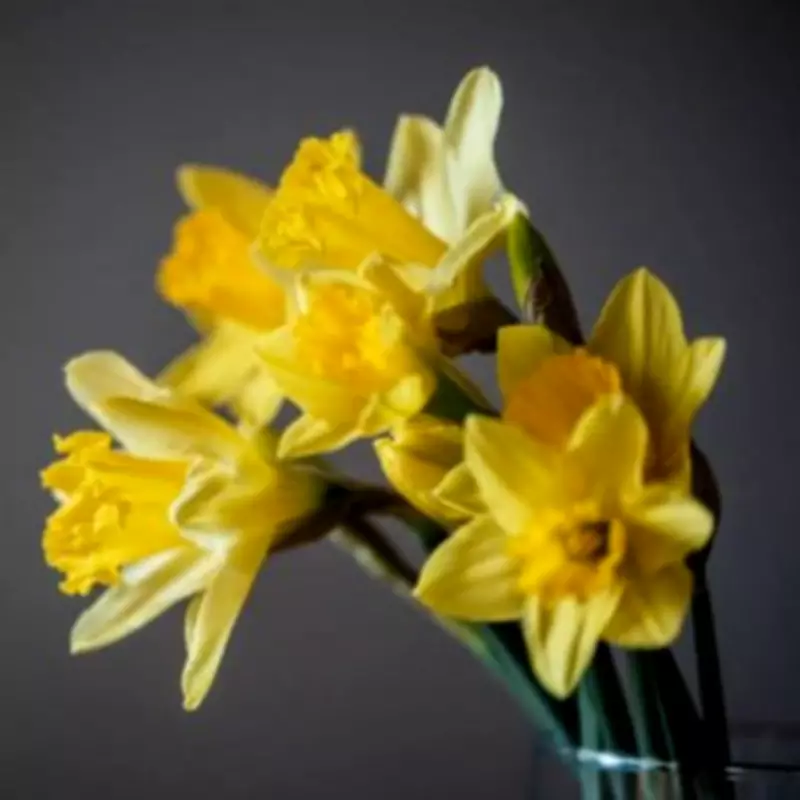
- Daffodils: All parts are toxic, with bulbs containing the highest concentration of toxins that can cause gastrointestinal upset and mouth pain.
- Bluebells: These delicate flowers contain glycosides that can affect heart function in pets.
- Tulips: Brightly colored favorites that contain allergenic lactones, with bulbs posing the greatest danger.
- Hyacinths: Popular spring blooms whose bulbs contain concentrated toxins that cause severe tissue irritation.
- Crocus plants: Spring-flowering varieties contain colchicine alkaloids that can lead to serious health complications.
Recognizing Symptoms of Flower Toxicity in Pets
Pet owners should remain vigilant for signs that their animal may have ingested dangerous flowers or bulbs. Initial symptoms often include mouth irritation, excessive pawing at the mouth, and sudden loss of appetite. More severe indicators encompass excessive thirst, breathing difficulties, skin irritation, drooling, vomiting, diarrhea, lethargy, and even seizures.

Dr Clarke emphasizes that irregular heartbeat represents one of the most serious potential consequences of flower toxicity. "These symptoms can develop rapidly and require immediate veterinary attention," he explains. "The concentration of toxins varies between flower types and plant parts, with bulbs generally containing the highest levels."
Specific Dangers and Preventive Measures
Each flower presents unique risks that pet owners should understand. Daffodil toxins can actually leak into vase water, creating an additional hazard if pets drink from flower arrangements. Tulip bulbs contain the highest concentration of dangerous compounds, potentially causing increased heart rate and breathing difficulties in severe cases.
Hyacinths pose particular concern because their bulbs can cause severe tissue irritation in both the mouth and digestive tract. Dr Clarke warns that dogs might mistake these bulbs for treats while digging in gardens or during walks. "Be particularly careful during spring gardening activities," he advises. "Bulbs planted in autumn can become exposed or dug up by curious pets."
Emergency Protocols and Safety Recommendations
For households receiving floral arrangements containing lilies, Dr Clarke recommends immediate removal of the stamens to minimize pollen exposure. He stresses that prevention remains the most effective strategy, suggesting pet owners research flowers before bringing them into homes with animals.
"If you suspect your pet has ingested any potentially toxic plant material, contact your veterinarian immediately," Dr Clarke urges. "The Animal Poison Line at 01202 509 000 provides additional emergency guidance for concerned pet owners."
With Mother's Day traditionally involving floral gifts, veterinary professionals recommend discussing pet-safe alternatives with florists or considering non-toxic plant options. Proper disposal of plant trimmings and careful monitoring of pets around floral arrangements can significantly reduce poisoning risks during this popular gift-giving season.