Birmingham Pharmacy Faces Scrutiny Over Counterfeit Weight Loss Drug Sales
A woman has publicly criticised a Birmingham-based pharmacy after discovering she spent more than £1,000 on counterfeit Mounjaro pens, a medication used for weight loss management. The 46-year-old, who wishes to remain anonymous, had been using the drug since May last year and initially purchased it from Boots before switching to The Private Pharmacy Clinic in Birmingham approximately six months ago.
Regulatory Intervention Reveals Counterfeit Batch
On March 2, the woman received a letter from the Medicines and Healthcare products Regulatory Agency (MHRA), alerting her to potential issues with her latest batch of Mounjaro. The agency had identified that some injectable pens contained counterfeit versions of tirzepatide, the active ingredient in Mounjaro. Following this notification, the woman attempted to contact The Private Pharmacy Clinic but reported no success in reaching them.
"I only became aware something was wrong when I received the letter from the MHRA," she explained. "They provided a batch code to check, and it matched the fake pen. During a follow-up call, they indicated my previous two injections from this pharmacy might also have been counterfeit."
Health Implications and Financial Loss
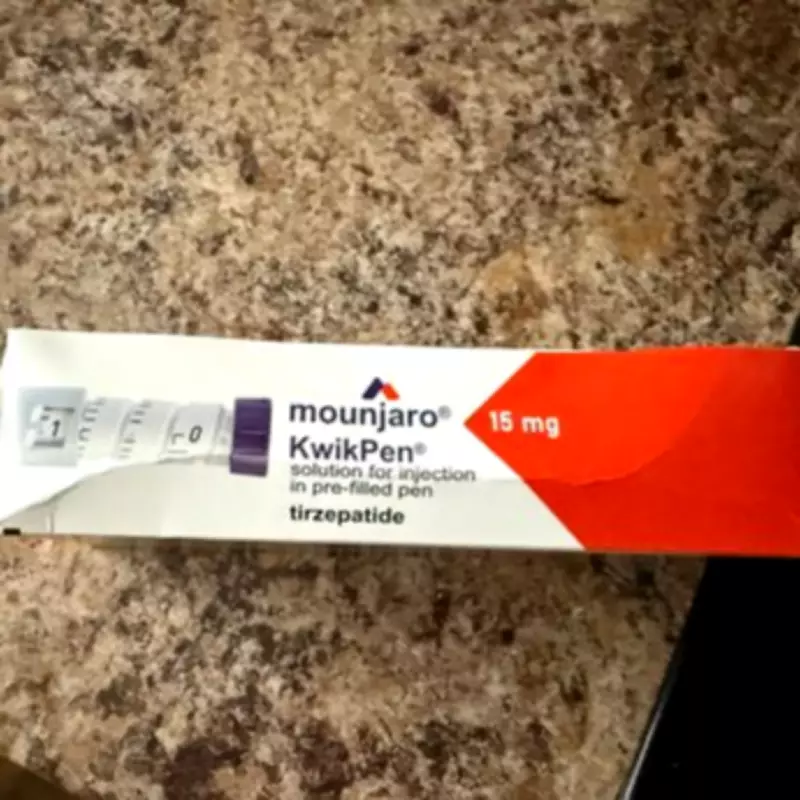
Each 15mg injector pen costs around £300, resulting in a total expenditure exceeding £1,000. The woman, who lives in Devon and found the pharmacy through a Facebook advertisement, noticed her weight loss had slowed while using the suspected fake pens. She initially attributed this to developing tolerance to the drug.
However, the MHRA clarified that testing revealed the counterfeit pens contained between seven and 11 milligrams of tirzepatide instead of the prescribed 15 milligrams, explaining the reduced effectiveness. Additionally, the pens were not sterile, raising concerns about potential infection risks.
"I haven't decided to spend this money lightly," she emphasised. "I have underlying health conditions, and losing weight has significantly improved my mobility, as I use crutches and have limited walking ability." Since starting Mounjaro, she has lost approximately 5.5 stone.
Ongoing Efforts for Resolution
The woman is now seeking a refund from The Private Pharmacy Clinic while sourcing a new supplier to continue her treatment. She described her attempts to contact the pharmacy as futile, with unresponsive phones and emails. She has also initiated a chargeback process through her bank.
On its website, The Private Pharmacy Clinic posted a statement indicating cooperation with regulatory authorities and a temporary halt on order processing. The pharmacy did not respond to requests for comment regarding this incident.
Official MHRA Guidance and Safety Measures
Dr Alison Cave, Chief Safety Officer at the MHRA, issued specific instructions for patients:
- Check the batch number and strength of your Mounjaro KwikPen.
- If you possess an affected pen with batch number D873576, discontinue use immediately.
- Report the issue to the MHRA via email at info@mhra.gov.uk with 'Mounjaro Pens' in the subject line.
- Retain the pen safely and consult a healthcare professional if uncertain.
The MHRA confirmed that while the fake pens contain tirzepatide, the unknown manufacturing conditions mean sterility cannot be guaranteed. Patients using pens with different batch numbers should continue their medication as prescribed.
This case highlights critical concerns regarding the authenticity of medications purchased through online pharmacies and underscores the importance of regulatory vigilance in protecting public health.